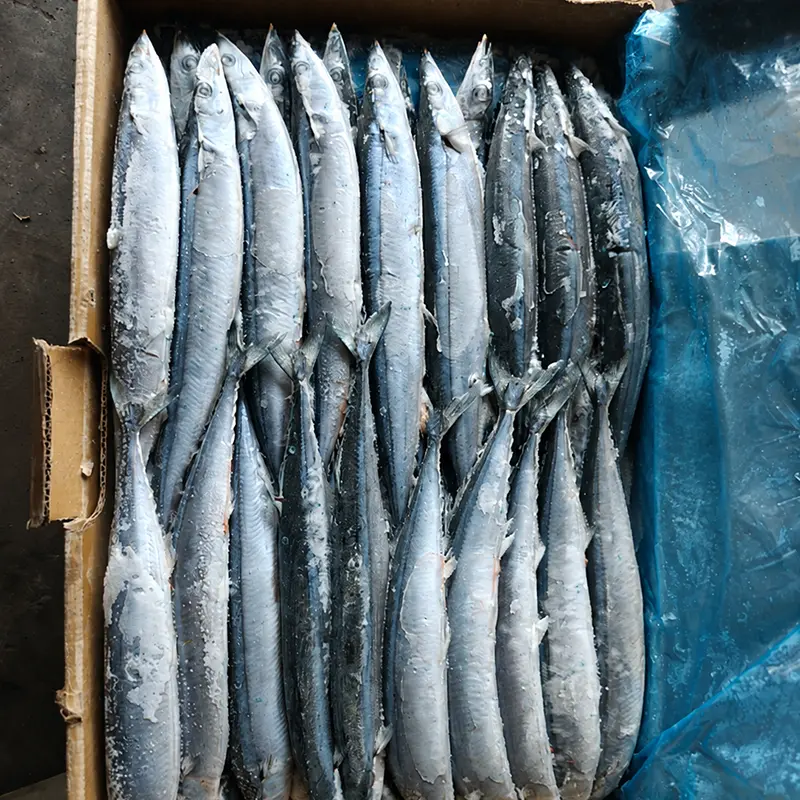
Stay updated on our latest exhibitions, certifications, and market developments as we actively participate in major global seafood events like GASF, CFSE, Thaifex, Seafood Expo Global, and Gulfood.
Sarda Tuna is a commercial name used for tuna-like fish associated with the Sarda genus. In seafood terminology, the best-known species is Atlantic bonito, scientifically identified as Sarda sarda. It belongs to the mackerel and tuna family Scombridae and is distributed across several Atlantic regions as well as the Mediterranean and Black Sea. Because common seafood names can vary between countries, buyers should verify the scientific name, product form, origin, size specification, freezing method, packaging, and applicable import requirements before placing a commercial order.
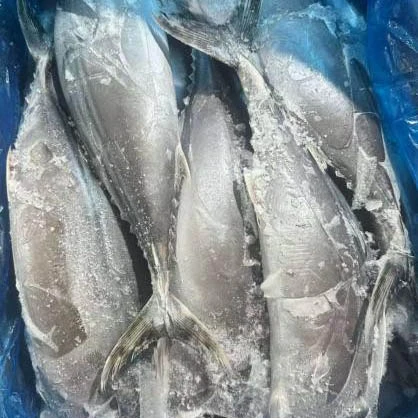
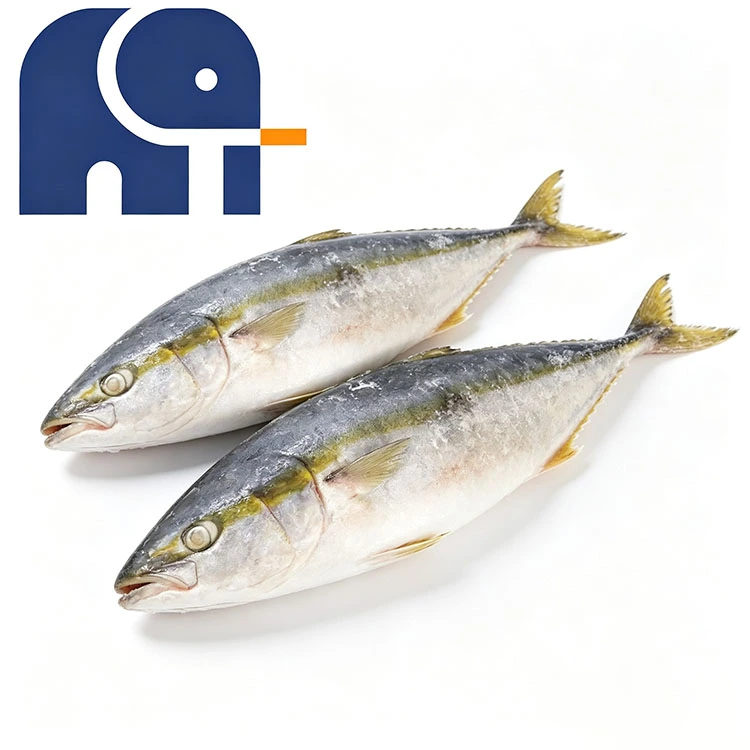
Sarda Tuna generally refers to tuna-like fish belonging to the genus Sarda. The species most commonly associated with this name is Atlantic bonito, Sarda sarda. Although it resembles several familiar tuna and mackerel species, it should not automatically be treated as the same product as skipjack, yellowfin, albacore, or bluefin tuna.
The distinction matters particularly in international seafood trade. The European Commission's fish-name database identifies Sarda sarda as a species subject to European marketing rules for preserved tuna and bonito, and lists it under the relevant commercial classification for tuna, skipjack, and bonito products.
For commercial buyers, the safest approach is therefore to begin with the scientific name rather than relying only on a common English name. This reduces the risk of purchasing the wrong species, applying an unsuitable product specification, or encountering labeling and customs issues in the destination market.
“Sarda Tuna” should be treated as a product terminology that requires species verification. For an international order, confirm the scientific name, product form, fishing area, processing method, size grade, and labeling requirements before finalizing specifications.
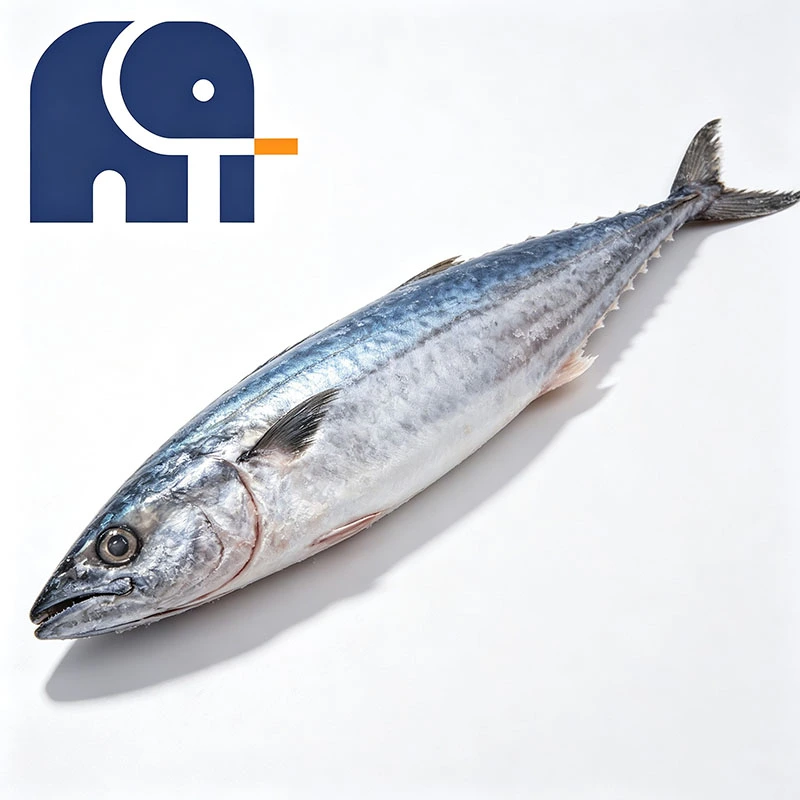
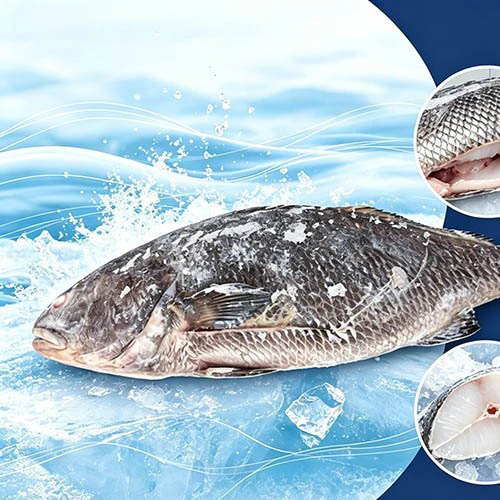
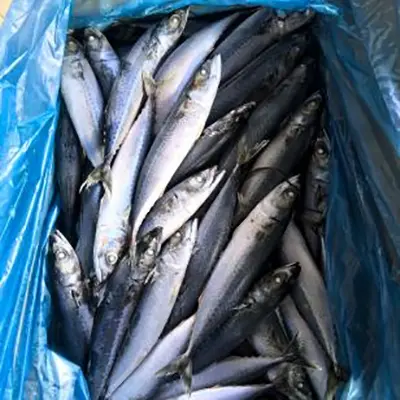
Atlantic bonito has a streamlined, powerful body designed for active swimming. One of its most recognizable features is the series of dark oblique stripes across the upper body. NOAA's identification guide describes the back as steel-blue or blue-green, with silvery to whitish sides and distinctive dark dorsal stripes.
The fish also has a deeply forked tail and characteristics typical of the Scombridae family. Its appearance can make it easy to confuse with other small tuna-like fish, particularly when the fish has already been processed, frozen, cut, or packaged.
Sarda sarda is a saltwater species with a broad geographic distribution. The European Commission database lists several major Atlantic fishing areas, including the Northwest, Northeast, Western Central, Eastern Central, Southwest, and Southeast Atlantic, as well as the Mediterranean and Black Sea.
The Institute of Marine Research describes Atlantic bonito as a small tuna species distributed widely through tropical and subtropical Atlantic waters, with populations also occurring in the Mediterranean and Black Sea.
For seafood importers, geographic origin is more than a background detail. It can influence product documentation, fishing regulations, seasonal availability, logistics, price, and the commercial requirements of the destination market.
Sarda Tuna is generally appreciated for its firm, meaty texture and relatively pronounced flavor. These characteristics make it suitable for cooking methods that benefit from a fish that can maintain its structure rather than breaking apart immediately.
Its characteristics can vary according to fish size, season, fishing location, handling practices, freezing conditions, and the time between landing and processing. Consequently, two products carrying similar commercial names may perform differently after thawing.
| Factor | Why It Matters | What Buyers Should Verify |
|---|---|---|
| Species | Prevents confusion with other tuna-like species. | Scientific name and commercial name. |
| Size grade | Influences yield, portioning, and menu applications. | Piece count, weight range, and tolerance. |
| Processing form | Determines preparation requirements and usable yield. | Whole round, H&G, fillet, loin, portion, or other format. |
| Freezing method | Can affect texture, drip loss, and shelf-life performance. | Freezing specification and storage temperature. |
| Packaging | Protects the product during storage and transportation. | Carton weight, inner packaging, labeling, and pallet configuration. |
| Traceability | Supports regulatory compliance and supply-chain control. | Lot information, origin, catch information, and production records. |
Sarda Tuna can be used in a range of food applications depending on the size, condition, and processing format. Its firm texture makes it suitable for grilling, baking, pan-searing, and other preparations where maintaining the shape of the fish is important.
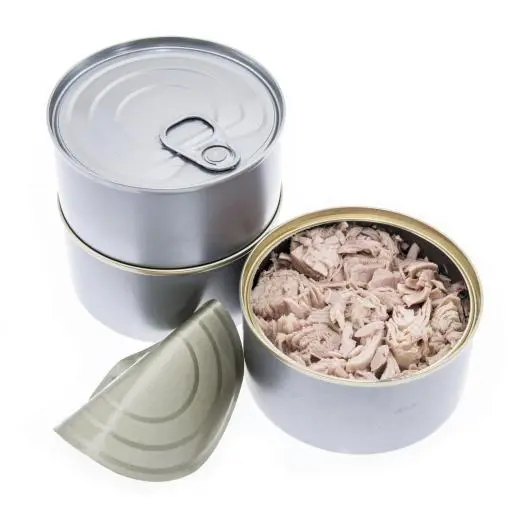
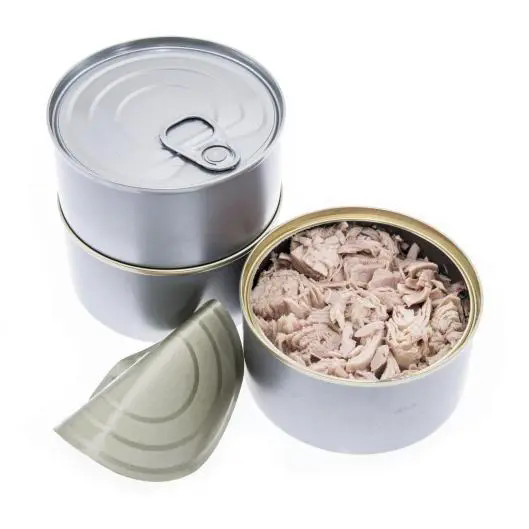
It can also be processed into preserved seafood products. The European Union's commercial classification specifically recognizes bonito products within the broader category covering tuna, skipjack, and bonito preparations.
For restaurants and food processors, consistent portion size and thawing performance are particularly important. A product that looks attractive in a sample but produces excessive drip loss or inconsistent yield during large-scale preparation can create hidden costs.
Quality begins before processing. Species verification, raw-material condition, rapid handling, temperature control, sorting, processing accuracy, freezing, packaging, and storage all contribute to the final product.
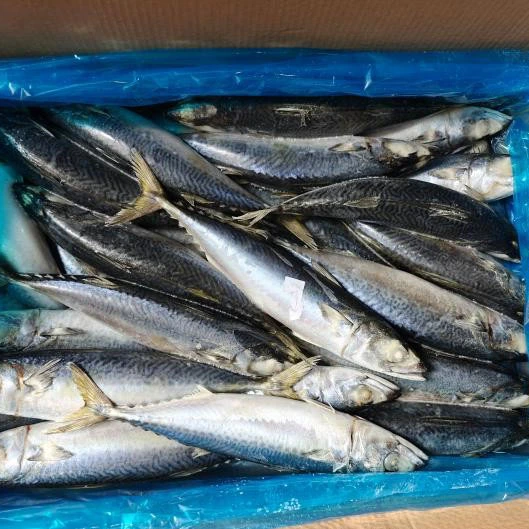
The condition of the fish when it enters processing can influence appearance, texture, odor, and subsequent shelf-life performance. Buyers should establish clear acceptance criteria rather than relying only on photographs.
Frozen seafood requires continuous temperature management. Temperature fluctuations during storage or transportation can contribute to quality deterioration that may become more obvious after thawing.
Mixed sizes can create problems for foodservice operators, retailers, and processors that depend on predictable portions. Commercial specifications should clearly define the acceptable size range and tolerance.
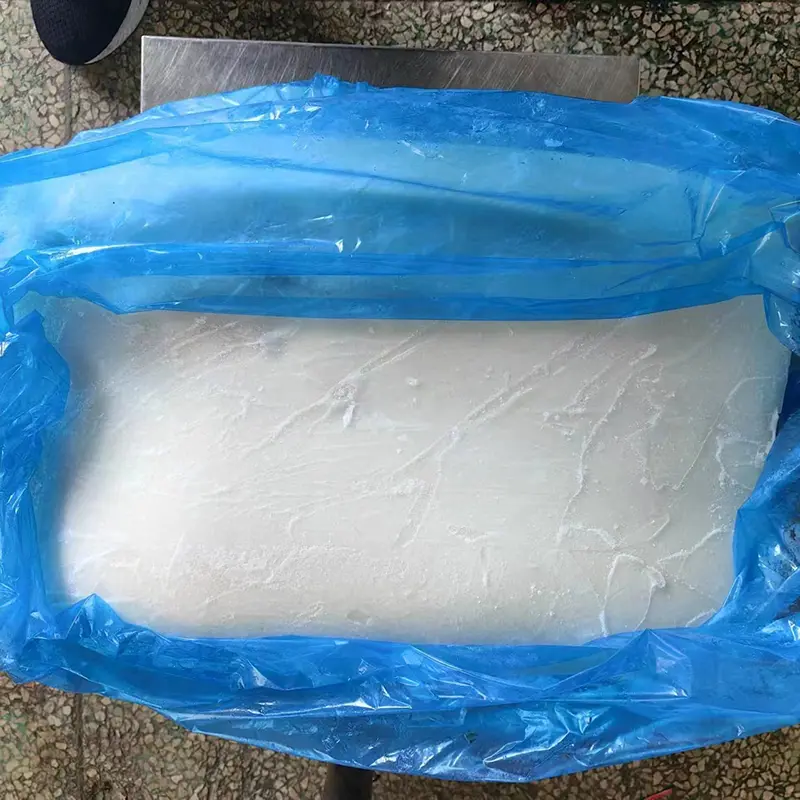
For frozen seafood, protective ice glazing can help reduce dehydration and protect the surface. However, buyers should distinguish between gross weight and actual fish weight when comparing quotations.
Carton labeling should allow the buyer to connect the finished product with the appropriate production lot and documentation. This becomes especially important when products cross international borders.
Importers and distributors should approach Sarda Tuna procurement as a specification-management process rather than simply comparing prices per kilogram. A lower quoted price may not represent better commercial value if the product has inconsistent sizing, excessive glazing, lower usable yield, or insufficient documentation.
A detailed specification sheet can prevent many disputes. The specification should define species, size, product form, processing requirements, packaging, net weight, glazing limits where applicable, storage conditions, labeling, documentation, and acceptable tolerances before production begins.
Proper handling is essential because seafood quality can deteriorate when temperature and hygiene controls are inconsistent. Commercial processors should maintain appropriate sanitation procedures, minimize unnecessary exposure to ambient temperatures, and keep frozen products within the specified cold chain.
For frozen Sarda Tuna, buyers should pay particular attention to the condition of the product after controlled thawing. Useful inspection points include surface appearance, odor, flesh firmness, drip loss, discoloration, and structural integrity.
Processing specifications should also match the customer's downstream application. A restaurant requiring individual portions has different requirements from a wholesaler purchasing whole frozen fish or a food manufacturer buying raw material for further processing.
| Buyer Type | Important Considerations |
|---|---|
| Restaurant | Portion consistency, taste, texture, thawing performance, and preparation efficiency. |
| Wholesaler | Stable supply, grading consistency, carton configuration, price, documentation, and shelf-life management. |
| Food Processor | Raw-material specifications, yield, processing suitability, traceability, and batch consistency. |
| Retailer | Appearance, packaging, labeling, portion size, consumer appeal, and storage requirements. |
For international seafood buyers, Sarda Tuna can offer another option within the broader category of tuna-like and small tuna species. Its firm texture, recognizable appearance, and suitability for multiple cooking and preservation methods can support different foodservice and processing applications.
The greater challenge is often not finding a product but ensuring that the product delivered at commercial scale matches the specification approved during sampling. Buyers therefore benefit from working with suppliers that can provide clear product specifications, consistent grading, traceability, quality inspection, and dependable cold-chain logistics.
Taizhou HongXiang Import and Export Co.,Ltd. operates in Taizhou, Zhejiang, a coastal seafood-producing region in China. Its product portfolio includes a Sarda Tuna series within its wild-caught fish range, alongside products such as Pacific mackerel, pomfret, squid, sardine, saury, and other frozen seafood. The company describes its operations as integrating raw-material sourcing, processing, cold storage, and export services.
For overseas buyers, the company also states that it provides customized seafood processing, product verification before orders, batch inspection, export documentation, shipment tracking, and customized packaging solutions.
Not necessarily. “Sarda Tuna” commonly refers to fish from the Sarda genus, particularly Atlantic bonito (Sarda sarda). It belongs to the same Scombridae family as tuna but should not automatically be treated as yellowfin, skipjack, albacore, or bluefin tuna.
The scientific name is Sarda sarda. Official fish-name references identify it as Atlantic bonito.
Atlantic bonito is generally characterized by relatively firm flesh and a more pronounced flavor than some milder fish. Preparation method and freshness or freezing history can significantly affect the eating experience.
Always request the scientific name in addition to the commercial name. This is especially important for international purchasing because common names can differ between countries and markets.
A useful specification should include scientific name, origin, product form, size range, processing method, freezing requirements, net weight, packaging, labeling, documentation, traceability information, and agreed quality tolerances.
Yes. Frozen formats are commercially practical when the product is properly processed, packaged, stored, and transported under controlled cold-chain conditions. The specific format should be agreed with the supplier before production.
A single sample may not reveal variation in grading, glazing, carton composition, yield, or temperature exposure during a full shipment. Commercial buyers should establish measurable specifications and inspection procedures that apply to the entire production lot.
If you are sourcing Sarda Tuna for wholesale distribution, foodservice, retail, or further processing, Taizhou HongXiang Import and Export Co.,Ltd. can provide product specifications, processing options, packaging solutions, quality verification, and export support based on your purchasing requirements. For product details, specifications, or sourcing discussions, please contact us to discuss your requirements.
-