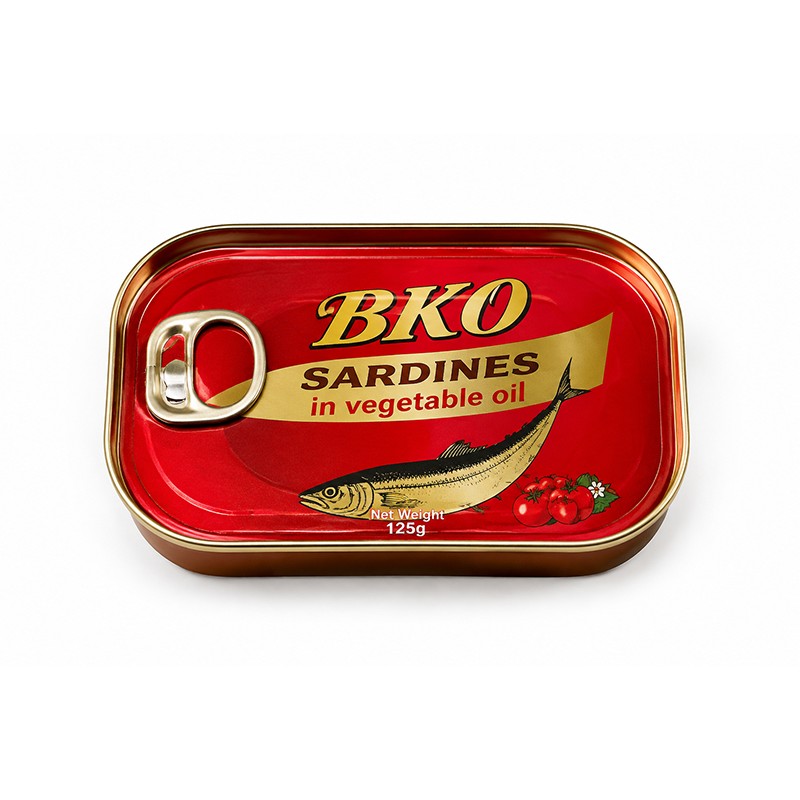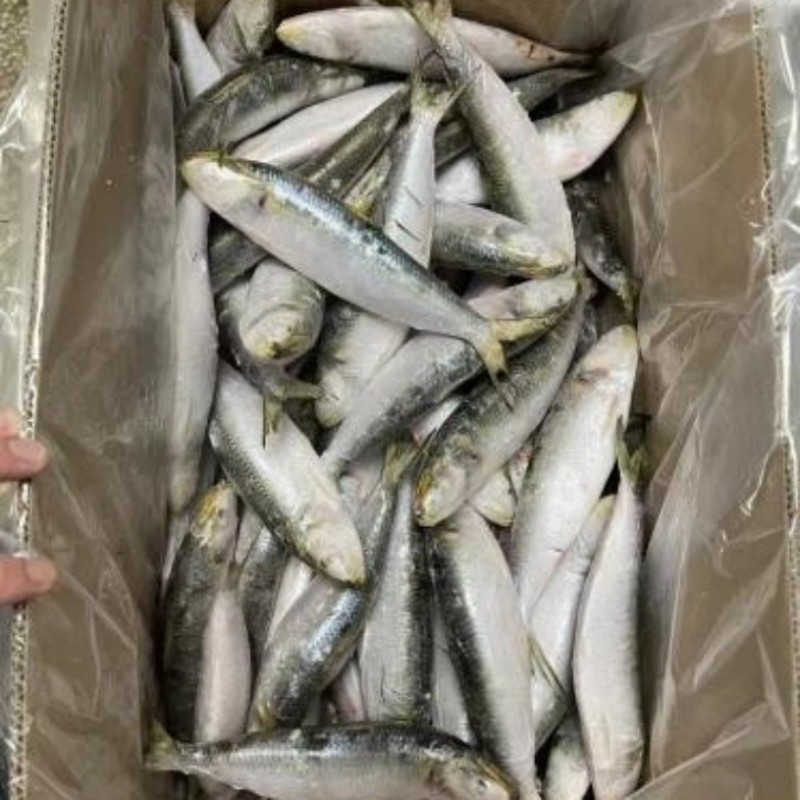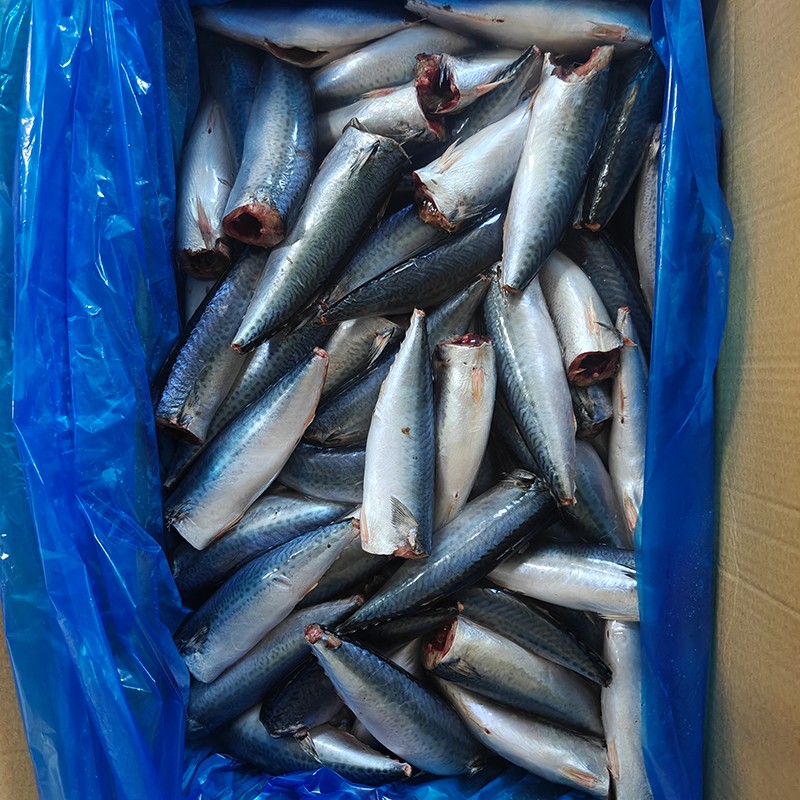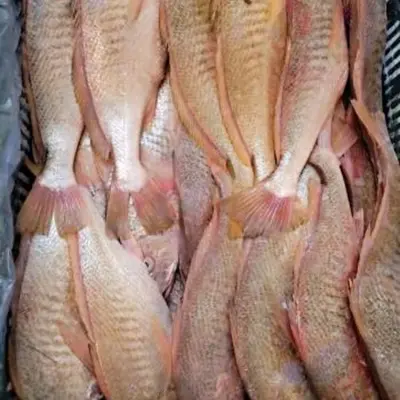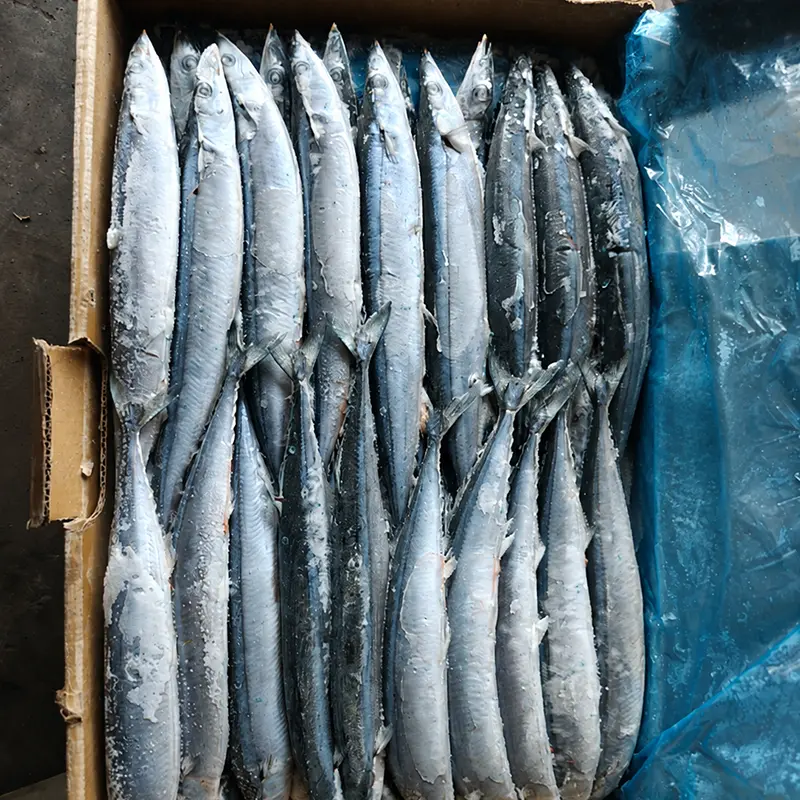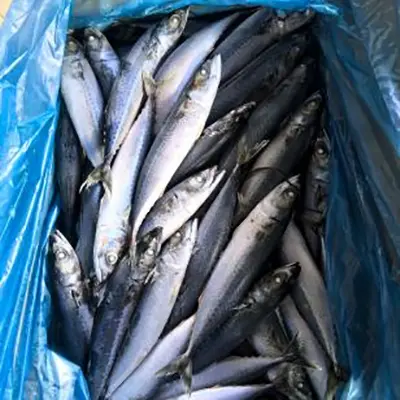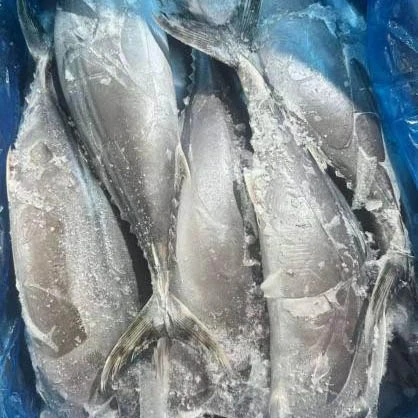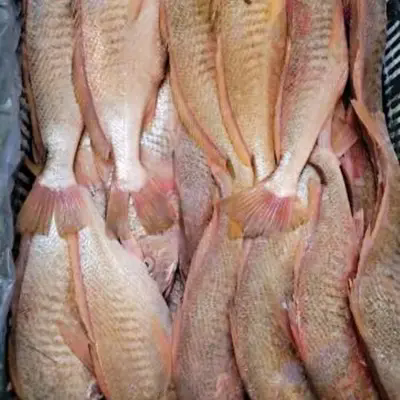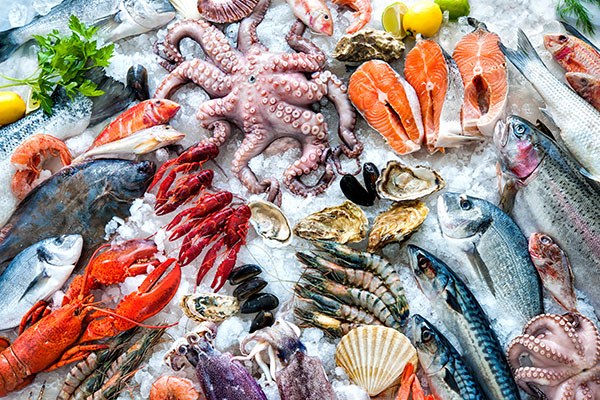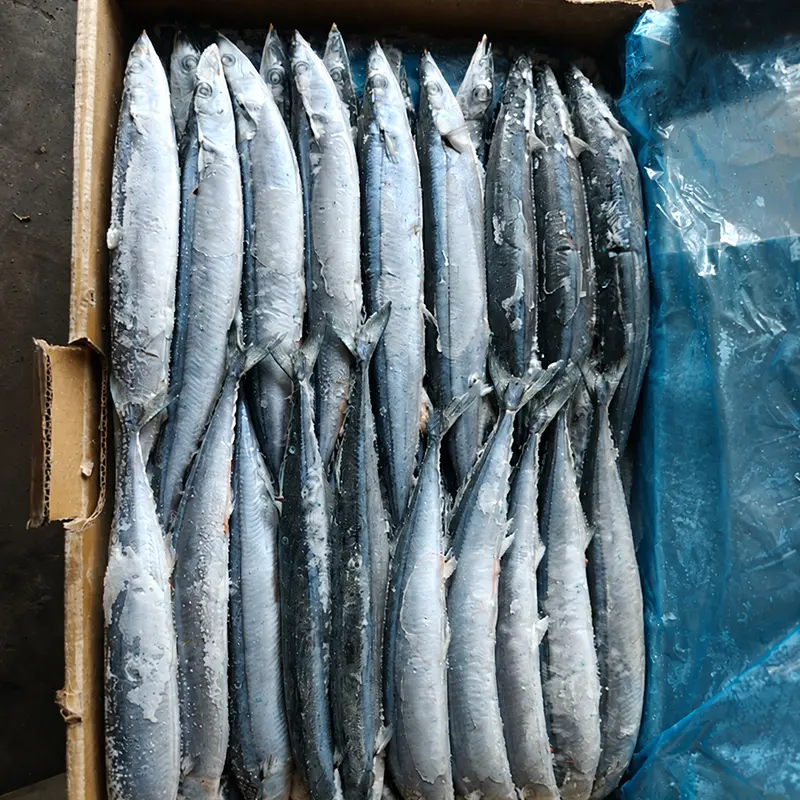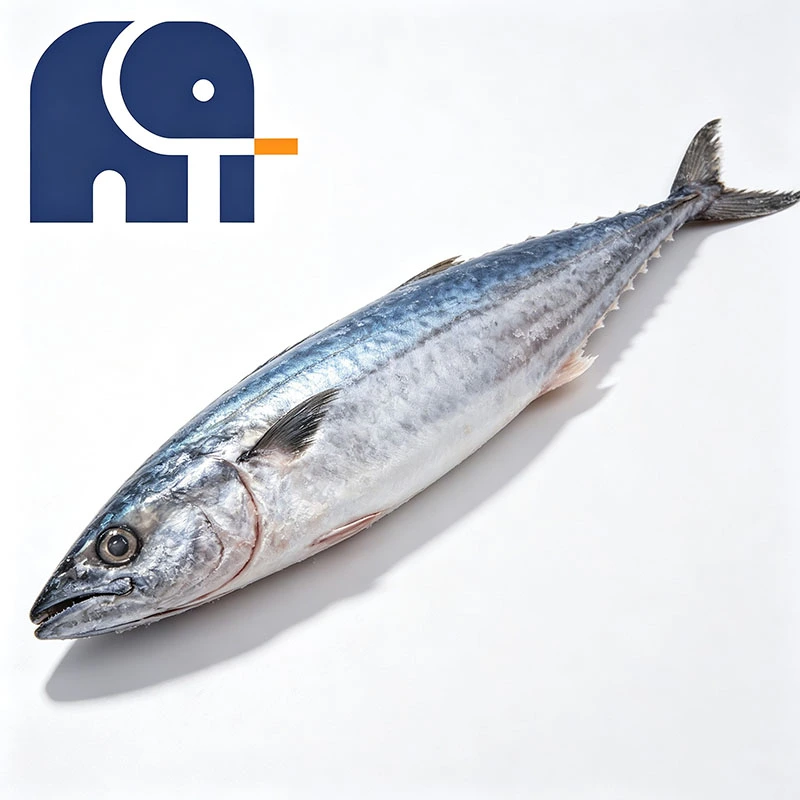
We specialize in a wide range of frozen seafood—including Pacific Mackerel, Horse Mackerel, White Pomfret, Spanish Mackerel, Tilapia, Pacific Saury, Squid, Grey Mullet, and Sardine—with customizable sizes and packaging to meet diverse market needs.
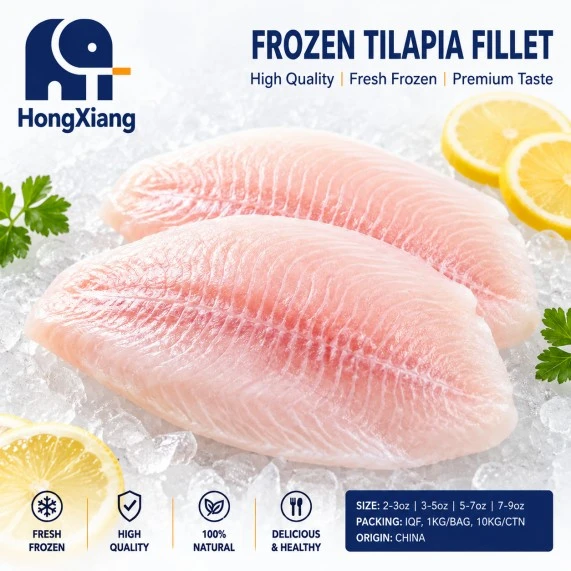
When sourcing premium frozen seafood for retail, food service, or wholesale distribution, Tilapia Fillet has become a cornerstone product for buyers who demand consistency, versatility, and reliable supply. HongXiang has spent over two decades refining its frozen fish processing operations, and this particular fillet category reflects the company’s commitment to food safety, texture quality, and clean-label processing. The following guide breaks down the exact specifications, nutritional data, packaging formats, and common buyer questions, giving you the technical detail needed to make an informed purchasing decision. This series includes products such as Premium Frozen Tilapia Fillet, etc.
HongXiang Tilapia Fillet is produced from farm-raised Nile tilapia (Oreochromis niloticus) sourced from certified aquaculture facilities. Each fillet is hand-cut, skinless, boneless, and individually quick frozen to lock in moisture and prevent cell wall rupture. The result is a firm, flaky white fish that holds its shape during baking, grilling, pan-searing, or steaming. HongXiang does not use chemical tenderizers, artificial colorants, or phosphate-based water retention agents. The only permitted glaze is clean ice water, applied at controlled percentages for protective purposes.
When evaluating frozen Fillet suppliers, there are several technical points that professional buyers should verify before placing an order. HongXiang provides full transparency on all of these points.
Each carton of HongXiang Tilapia Fillet carries a unique batch code that links to a digital database. The database includes the farm name, pond number, harvest date, processing line, freezing time, glaze percentage, and final inspection result. This level of traceability allows buyers to quickly respond to any quality inquiry or regulatory audit. HongXiang retains samples from every production lot for 30 months, longer than the product shelf life, so that any complaint can be investigated with physical evidence. The quality team also conducts monthly internal audits of the processing line and annual third-party audits for all certifications.