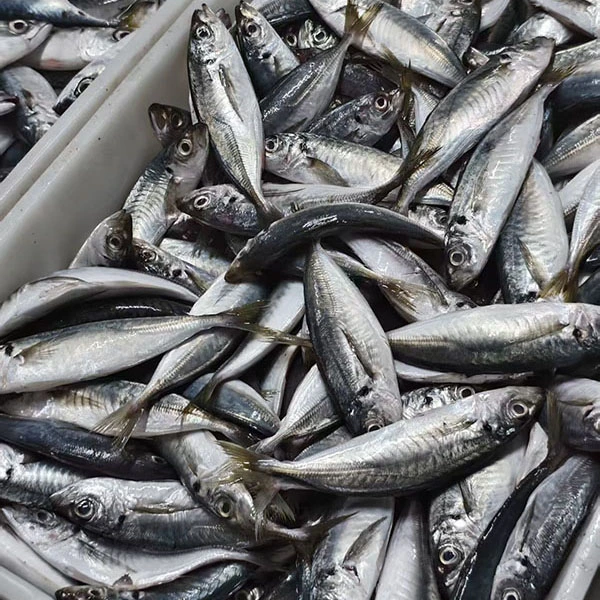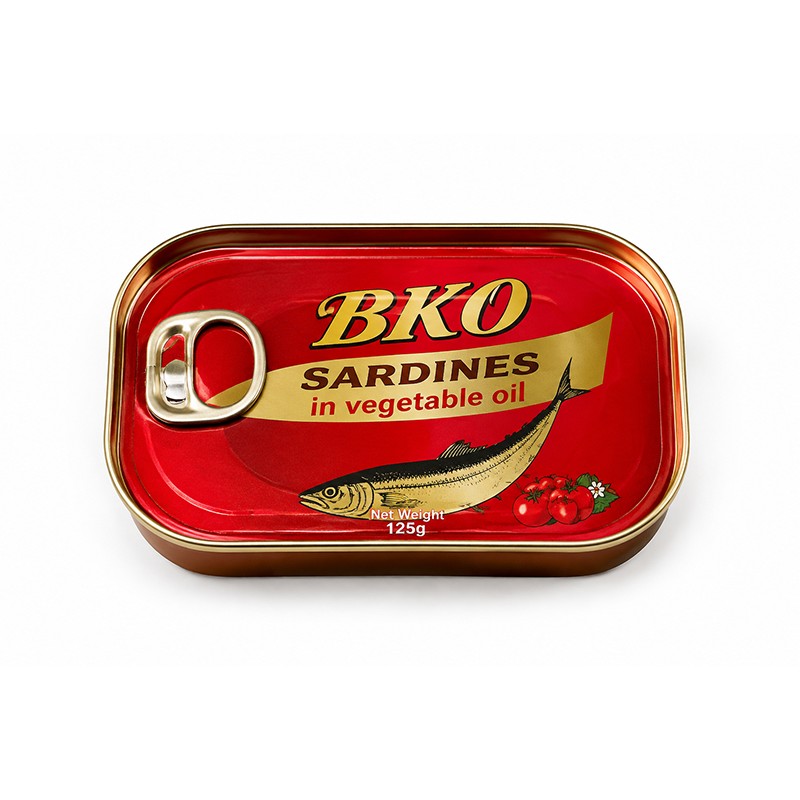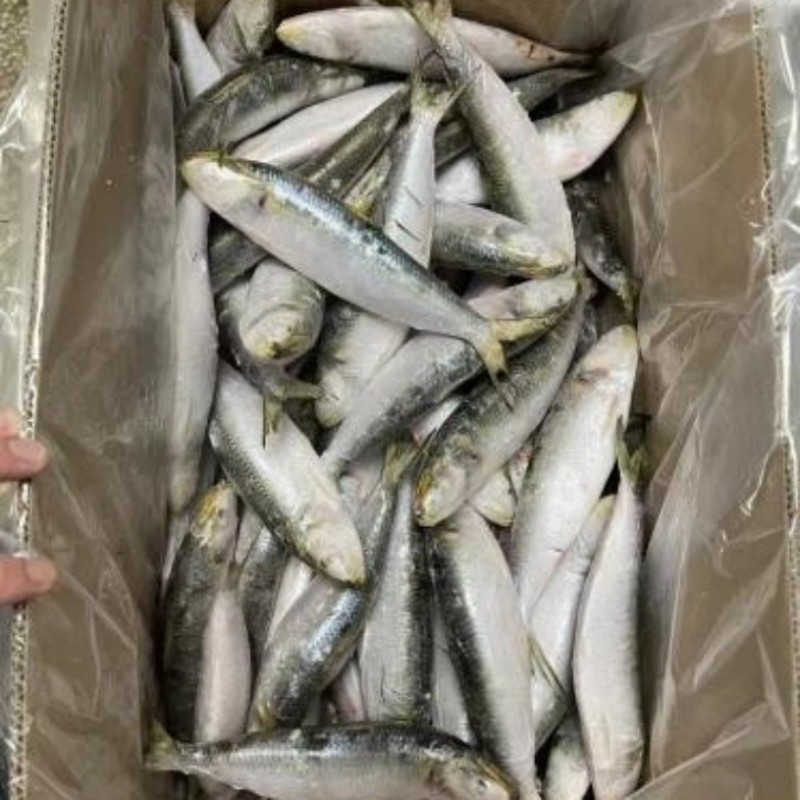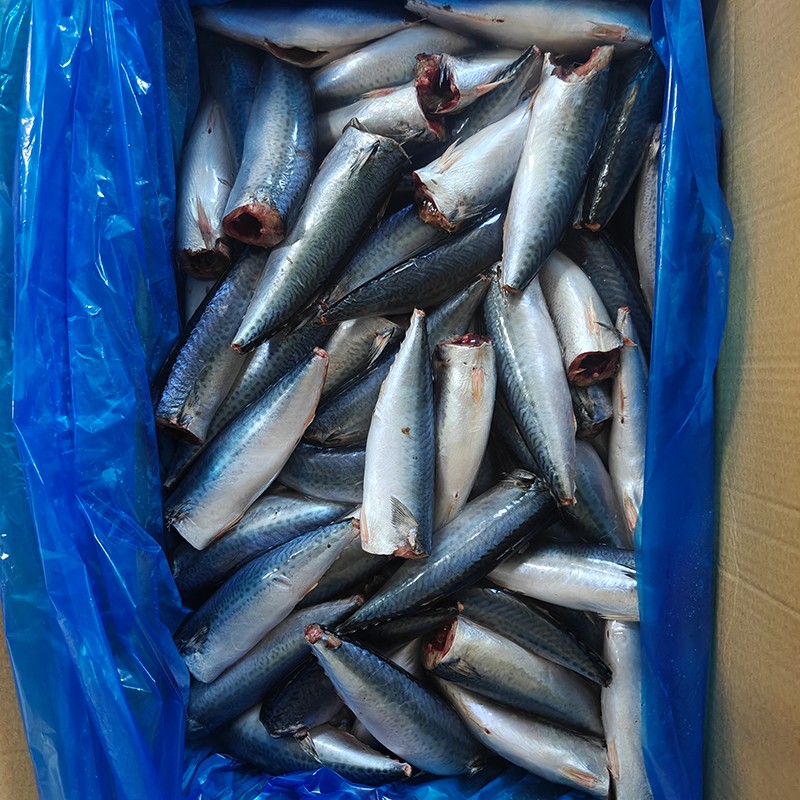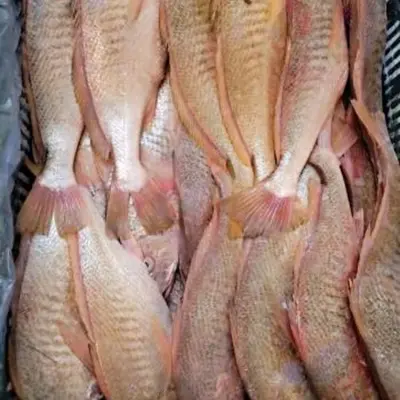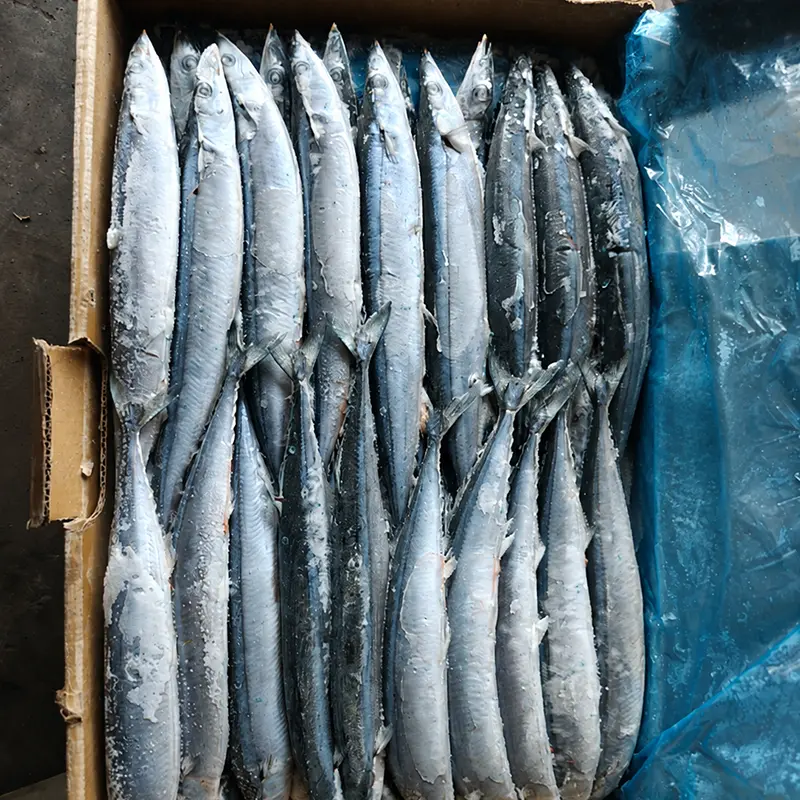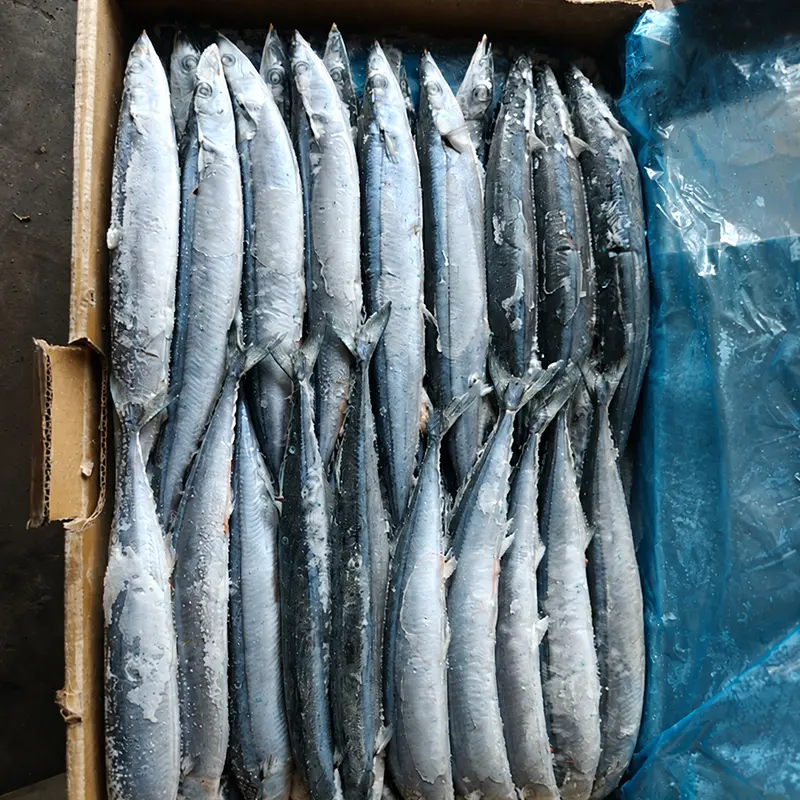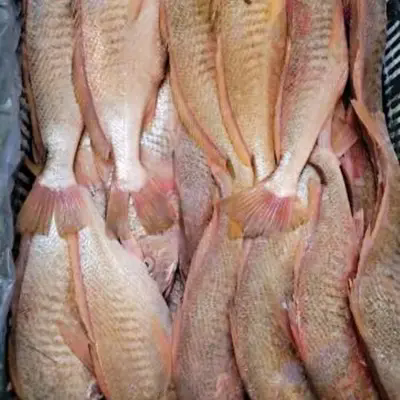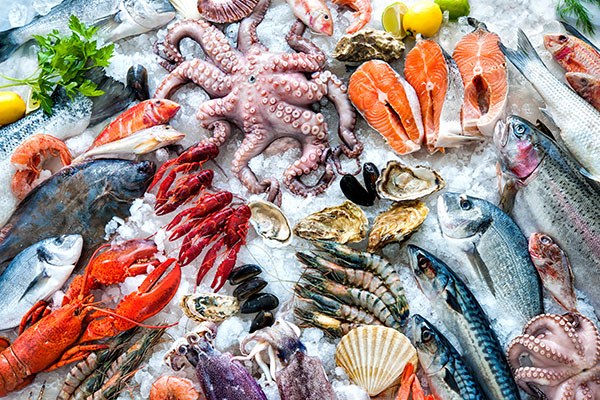
We specialize in a wide range of frozen seafood—including Pacific Mackerel, Horse Mackerel, White Pomfret, Spanish Mackerel, Tilapia, Pacific Saury, Squid, Grey Mullet, and Sardine—with customizable sizes and packaging to meet diverse market needs.
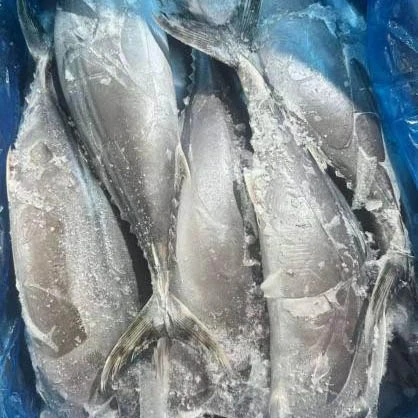
For importers, distributors, and seafood processors looking for a dependable pelagic species, Horse Mackerel delivers an excellent balance of yield, flavour, and price stability. This species has become a staple in frozen seafood trading across Europe, Asia, Africa, and the Americas, and HongXiang has built a reliable supply chain around it for more than two decades. This series includes products such as Stable Grade Frozen Horse Mackerel, etc.
Horse Mackerel is a common commercial name applied to several pelagic fish in the family Carangidae. The species most frequently handled in international trade are Trachurus trachurus, Trachurus japonicus, and Trachurus murphyi. These fish are found in temperate and subtropical waters, often forming large schools over continental shelves and offshore banks.
Compared with Atlantic mackerel, this Mackerel has a slightly firmer flesh texture and a more pronounced lateral line with bony scutes. This structure gives the fish excellent holding properties during freezing, thawing, and secondary processing. Buyers value Mackerel for its consistent size grading, good fillet recovery, and versatility across retail, food service, canning, smoking, and bait markets.
HongXiang sources Mackerel from well-managed fishing grounds in the Northeast Atlantic, Southeast Pacific, and Northwest Pacific. Every batch is traceable from the catching vessel to the final cold store, and the company applies strict quality checks at each stage of landing, grading, freezing, glazing, and packing.
Horse Mackerel is used across a wide range of market segments. In Southern Europe and North Africa, whole frozen Mackerel is a popular frying and grilling fish. In Japan and Korea, the species is often prepared as dried fish, marinated grill fish, or used in processed seafood products. In West Africa, it is a major protein source sold in open markets and used in stews.
In the European canning industry, this Mackerel is processed into fillets, chunks, and pâté-style products. The firm flesh holds its shape well during retort cooking, making it a reliable raw material for canned fish in oil, tomato sauce, or brine. Smoking and salting operations also use Horse Mackerel because the meat absorbs flavour without becoming mushy.
The bait market is another important outlet. Whole Mackerel is used as bait in longline fisheries for tuna, swordfish, and crab. Buyers in this segment usually require specific size grades, low glaze, and strong carton packaging to prevent damage during repeated freezing and thawing at sea.