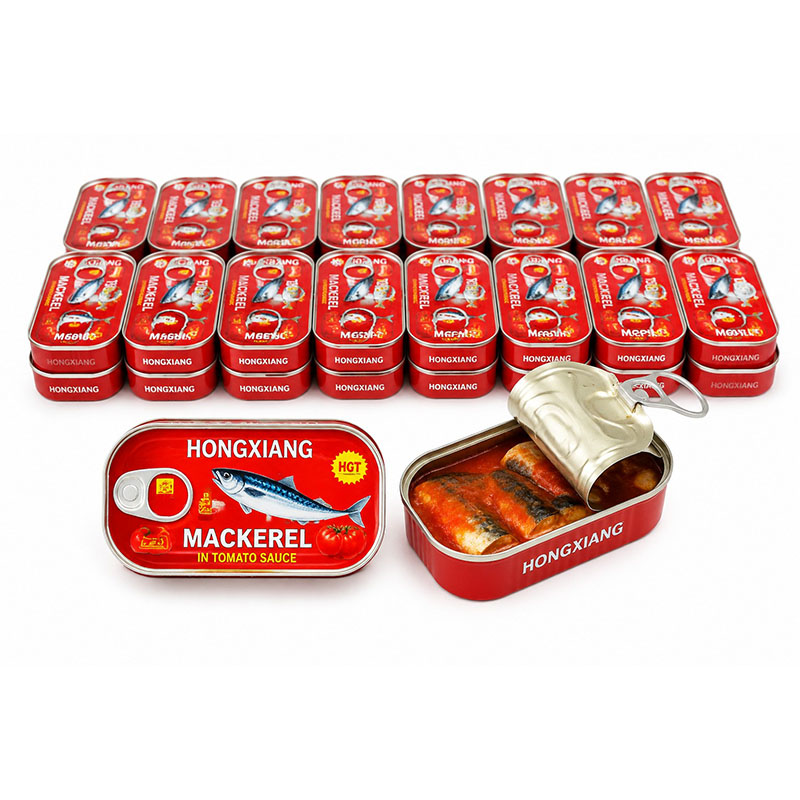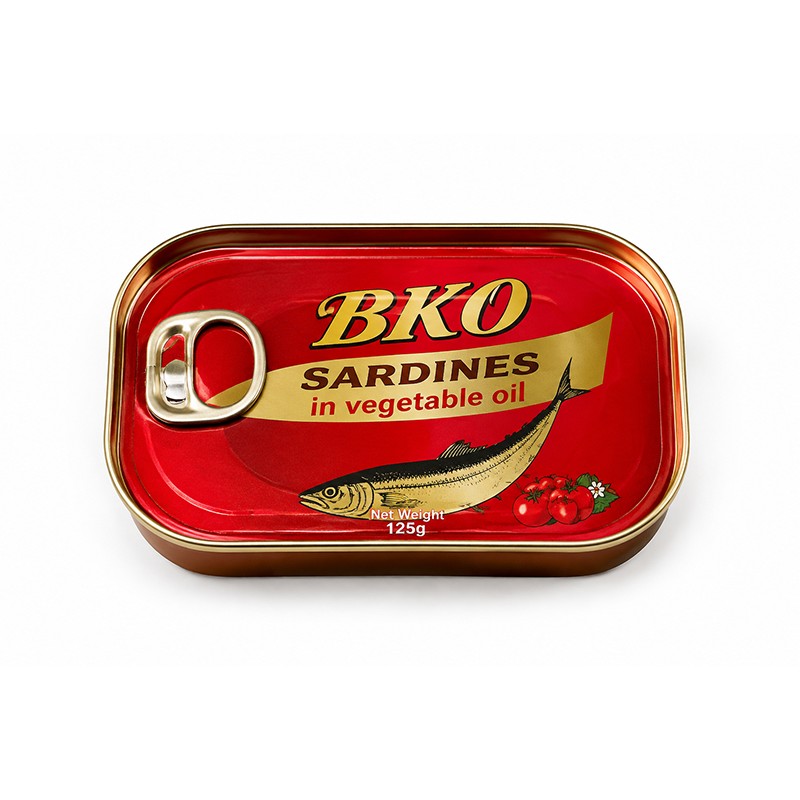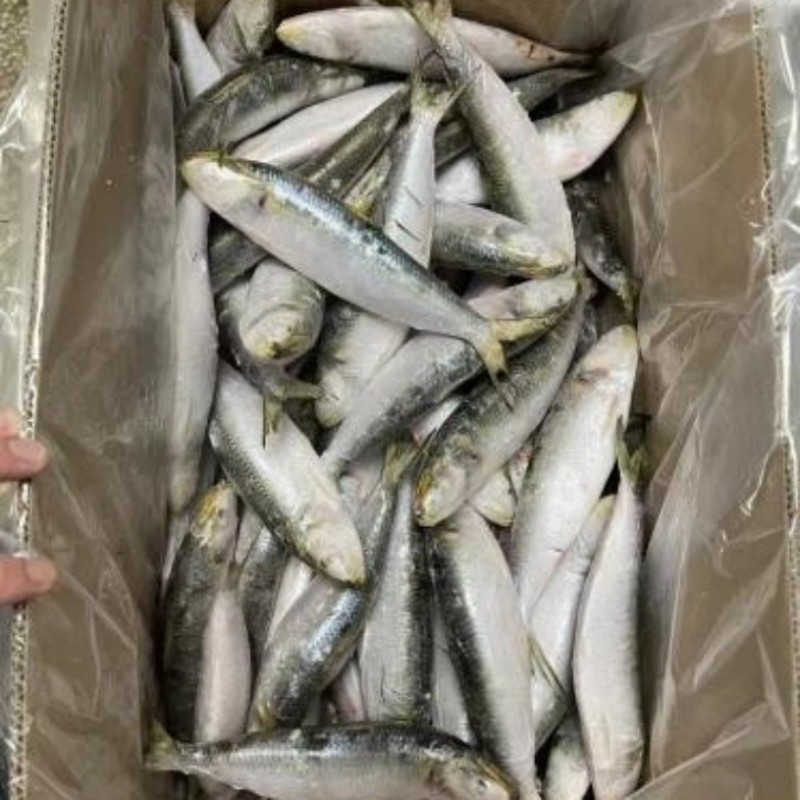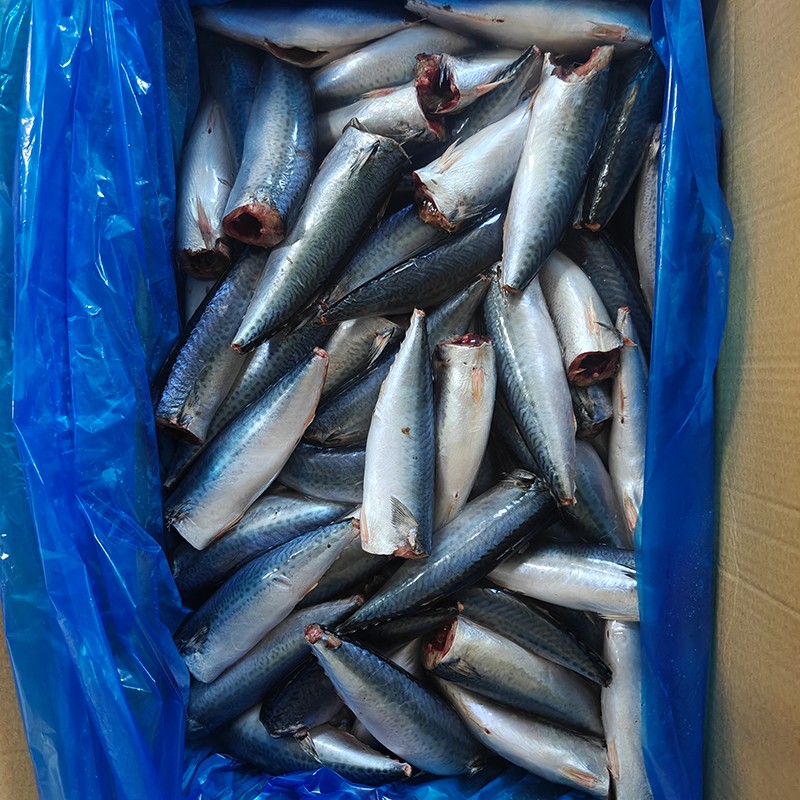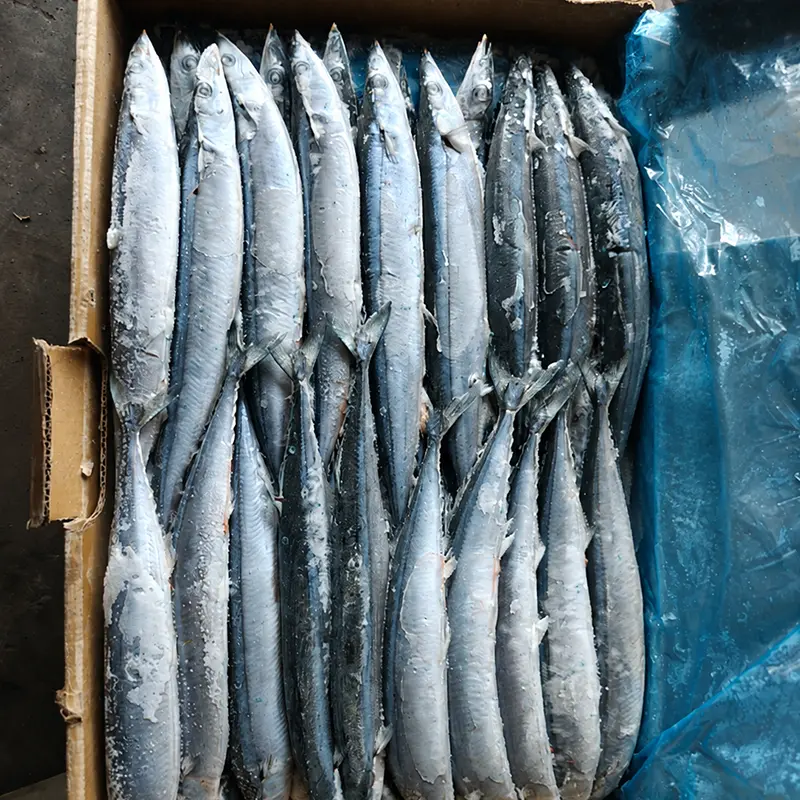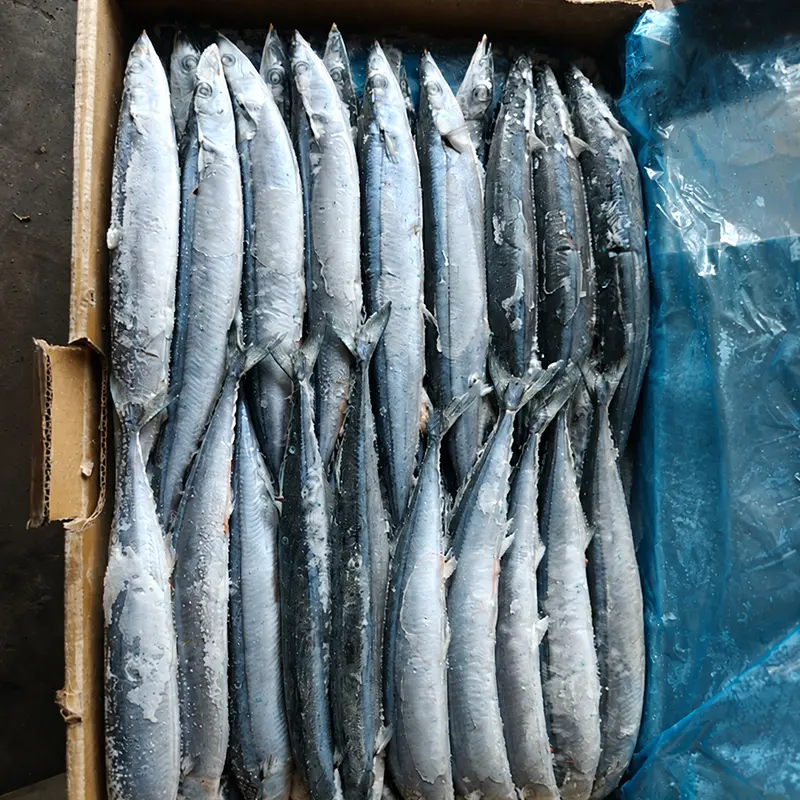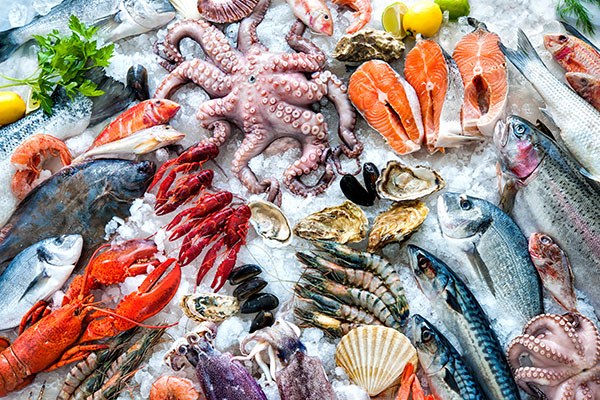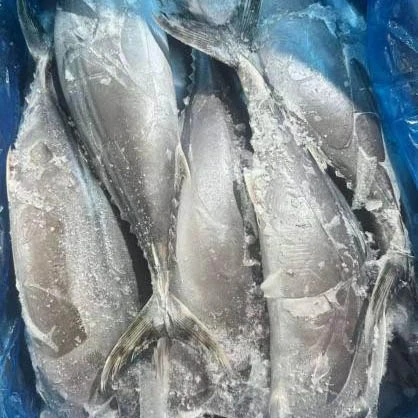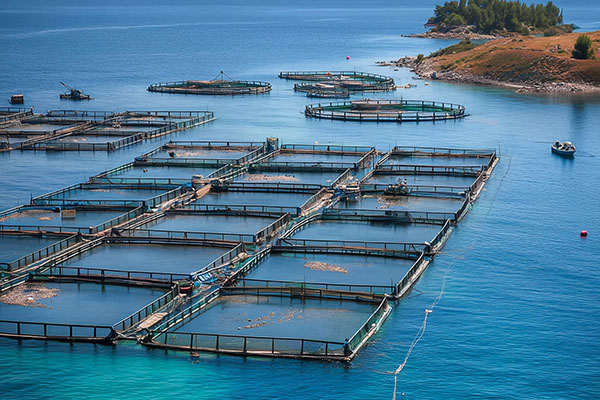
We specialize in a wide range of frozen seafood—including Pacific Mackerel, Horse Mackerel, White Pomfret, Spanish Mackerel, Tilapia, Pacific Saury, Squid, Grey Mullet, and Sardine—with customizable sizes and packaging to meet diverse market needs.
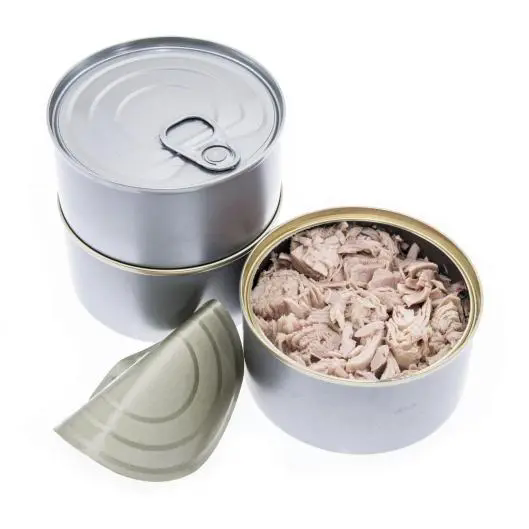
If you are searching for a shelf-stable source of lean protein that does not compromise on flavor or nutrition, Canned Mackerel from HongXiang is a pantry essential that belongs on your grocery list. Unlike many other canned fish options, mackerel delivers a richer taste, a firmer texture, and a more impressive nutritional profile. HongXiang has spent years perfecting the art of preserving mackerel at the peak of freshness, ensuring that every can you open brings the ocean to your table without the hassle of cleaning or filleting fresh fish.
This guide covers everything you need to know about HongXiang Mackerel, from detailed product parameters and nutritional data to practical storage tips and common questions. Whether you are meal prepping for the week, stocking an emergency food supply, or simply looking for a convenient protein source, the information below will help you make an informed decision. This series includes products such as Tomato Canned Mackerel, etc.
Canned mackerel is often overshadowed by tuna and salmon, but it offers several distinct advantages that make it a smarter choice for health-conscious consumers. HongXiang sources mackerel from cold, clean waters and processes it within hours of catch to preserve its natural oils, firm flesh, and clean flavor. The result is a product that is both versatile in the kitchen and exceptionally nutrient-dense.
One of the biggest benefits of mackerel is its omega-3 fatty acid content. Mackerel is naturally rich in EPA and DHA, the long-chain fatty acids linked to heart health, brain function, and reduced inflammation. Because mackerel is a smaller, fast-growing fish, it also tends to have lower mercury levels compared to larger predatory species such as tuna or swordfish. This makes it a safer option for regular consumption by adults and children alike.
From a convenience standpoint, HongXiang Mackerel is ready to eat straight from the can. There is no need to cook, debone, or season unless you want to. The canning process softens the bones to such an extent that they become an edible source of calcium, adding another layer of nutritional value that fresh fish simply cannot match.