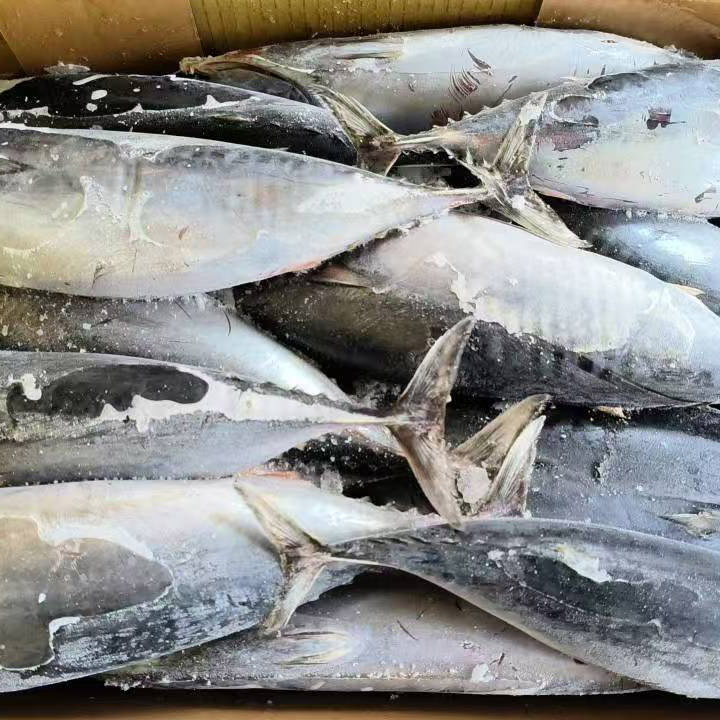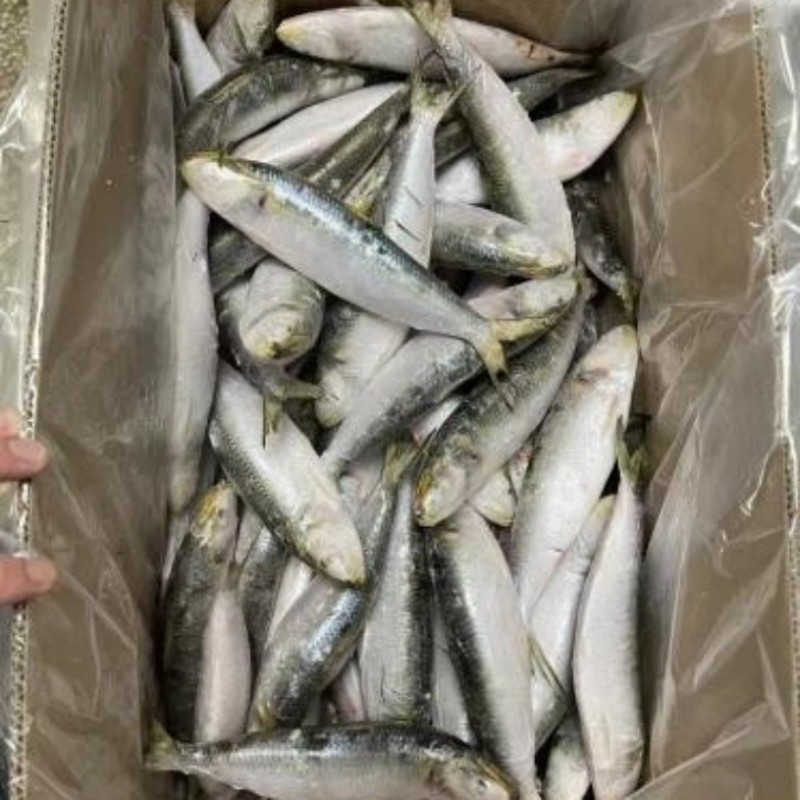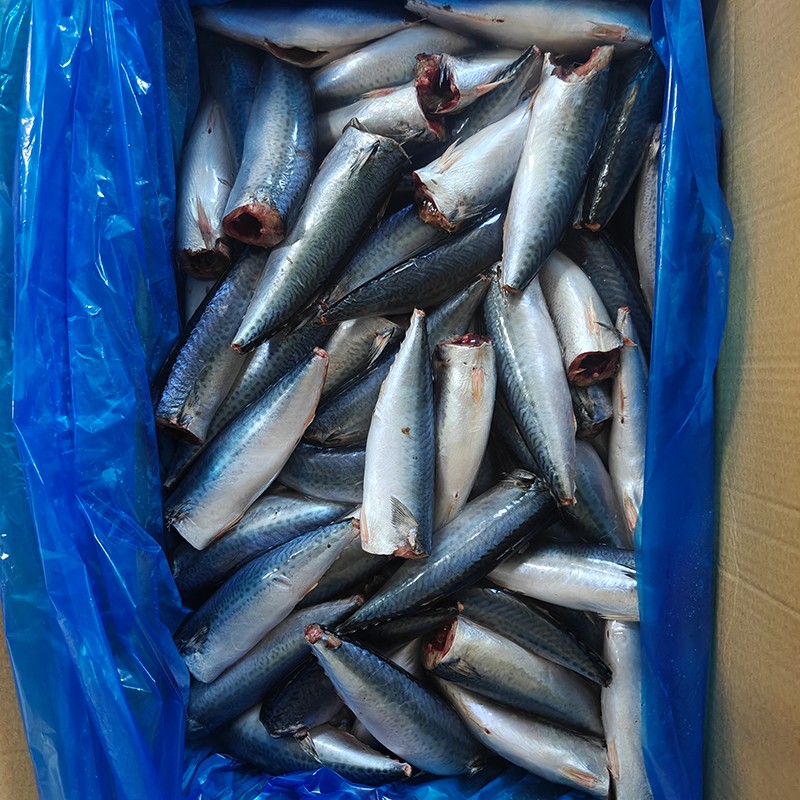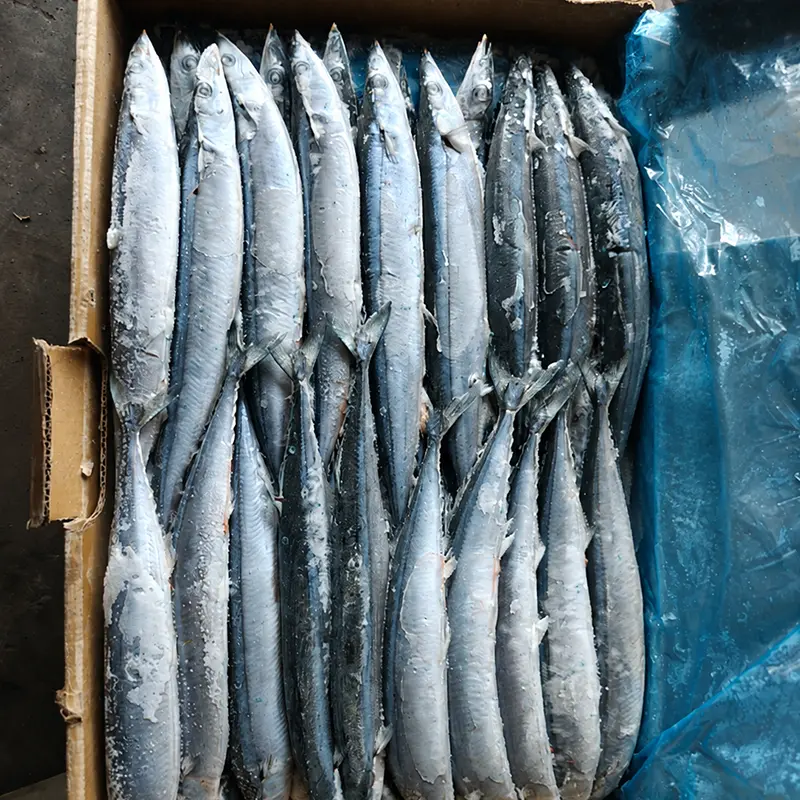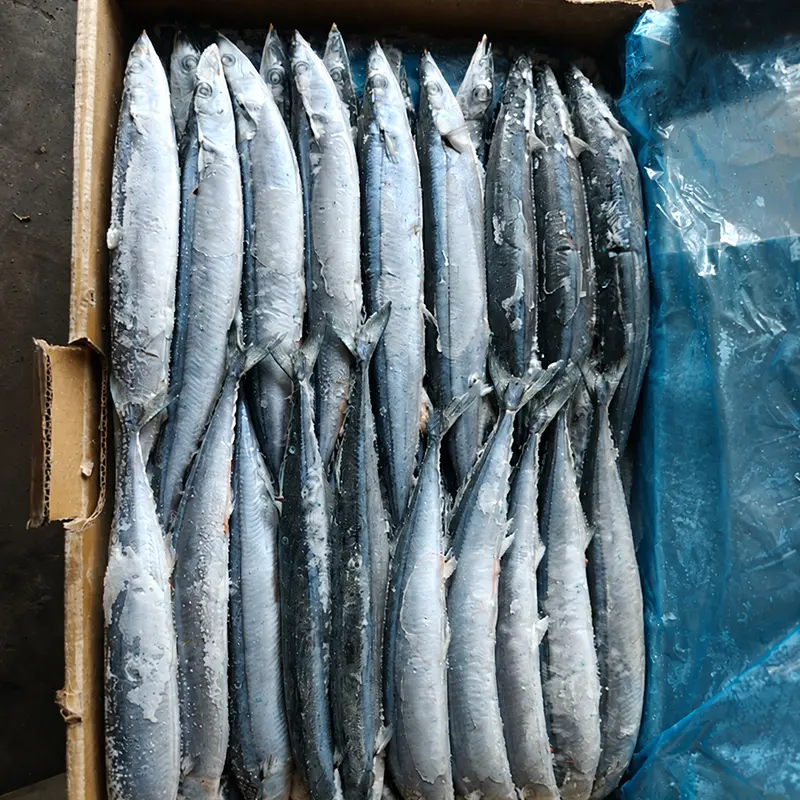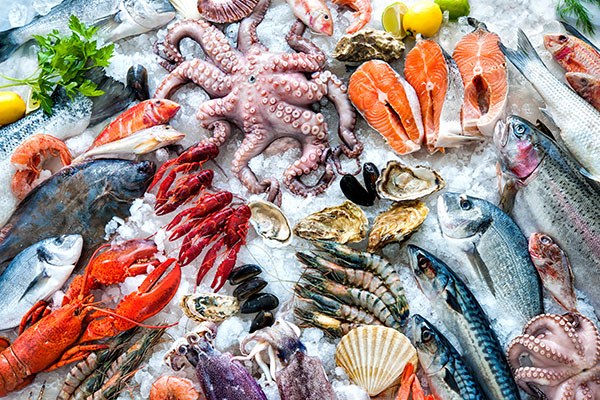
We specialize in a wide range of frozen seafood—including Pacific Mackerel, Horse Mackerel, White Pomfret, Spanish Mackerel, Tilapia, Pacific Saury, Squid, Grey Mullet, and Sardine—with customizable sizes and packaging to meet diverse market needs.
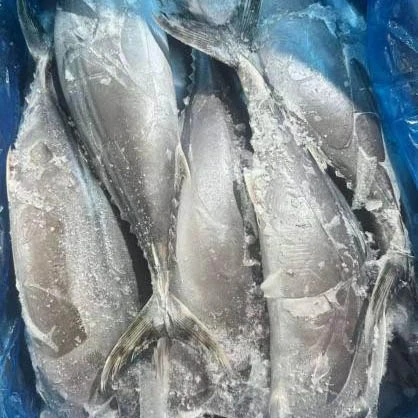
When seafood procurement managers evaluate tuna species for canning lines, smoked products, sashimi-grade portions, or traditional katsuobushi flakes, Bonito Tuna consistently scores high for yield, flavor stability, and cost-efficiency. HongXiang supplies tuna that meets international food safety certifications and is backed by detailed batch documentation. This page provides a comprehensive product parameter list, size classifications, nutritional composition, packaging specifications, and answers to the most common buyer questions. This series includes products such as Sea Frozen Bonito Tuna Whole Round, etc.
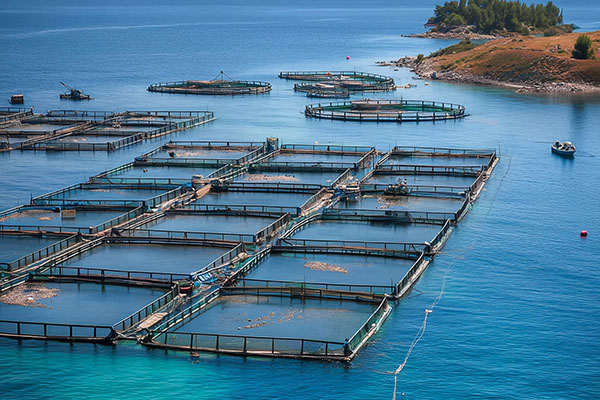
Bonito tuna belongs to the Scombridae family and is primarily represented by Sarda orientalis and Sarda sarda in commercial fisheries. HongXiang sources tuna from managed fishing grounds in the Western Pacific, Indian Ocean, and selected Atlantic zones. The harvest methods include pole-and-line, troll, and purse seine, depending on the season and regional regulations. Each batch is traceable from vessel to cold storage, with landing certificates and catch area documentation available for import clearance.
The fish has a streamlined body, dark blue-to-purple dorsal coloring, and silver sides with characteristic horizontal striping. It is a fast-growing pelagic species, which contributes to stable supply and predictable pricing compared to larger tuna species. HongXiang processes whole round, headed and gutted, fillets, loins, steaks, and flake-grade cuts to serve different manufacturing needs.
Bonito tuna should be stored at or below -18°C for optimal color and texture retention. The recommended shelf life is 24 months from the production date when the cold chain remains unbroken. At -25°C, storage life can extend to 30 months for whole round and HGT formats. Thawing should be performed under refrigeration at 0–4°C for 18–24 hours, followed by immediate processing. Refreezing thawed raw material is not recommended because it may affect muscle integrity and moisture retention.
HongXiang has built its tuna program around three operational priorities: consistent grading, rapid freezing, and transparent documentation. Fish are received from approved vessels and inspected for temperature, appearance, and species confirmation. Processing teams then sort by weight, remove the gills and viscera when requested, and wash the fish in chilled seawater. Filleting lines operate at controlled ambient temperatures below 12°C to reduce histamine risk. All bonito tuna enters the freezer within four hours of landing when ambient conditions require strict time-temperature control.
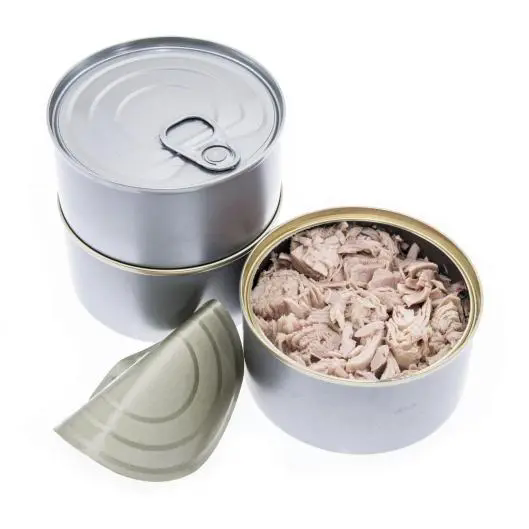
The company supports contract manufacturing for tuna flakes, smoked portions, marinated loins, and ready-to-cook steaks. Private-label programs include carton design, specification sheets, and multi-language labeling for destination markets. Buyers can request samples of current production lots to verify color, texture, and packaging compatibility before confirming orders.