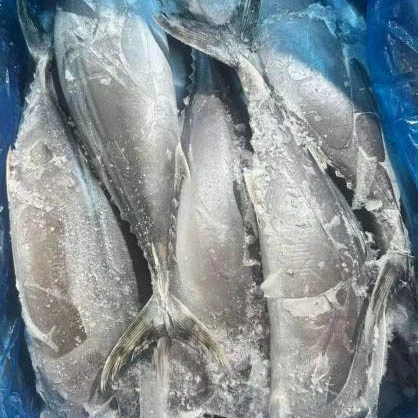



Pacific Saury is a widely recognized marine fish valued for its distinctive flavor, natural fat content, convenient processing options, and versatility in retail and foodservice applications. For importers, distributors, wholesalers, and food manufacturers, understanding its characteristics is essential for making informed purchasing and product-planning decisions.
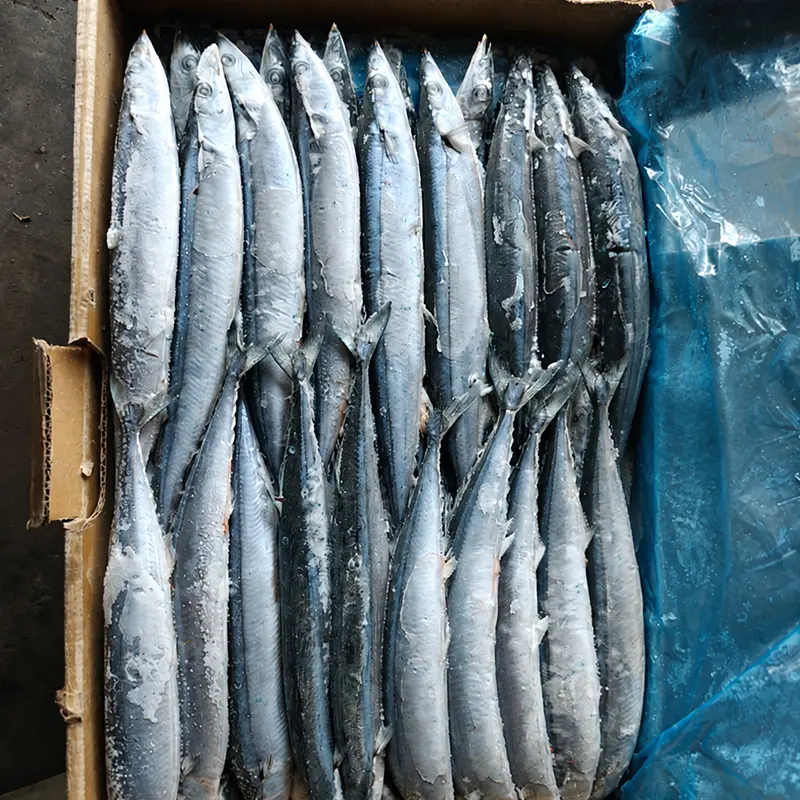
Table of Contents
- Understanding Pacific Saury
- Key Characteristics and Nutritional Profile
- Where Pacific Saury Comes From
- Common Processing and Product Forms
- What Determines Pacific Saury Quality?
- Frozen Storage and Cold-Chain Considerations
- Major Foodservice and Commercial Applications
- What Seafood Buyers Should Check Before Ordering
- Working with a Reliable Pacific Saury Supplier
- Frequently Asked Questions
- Final Thoughts
Understanding Pacific Saury
Pacific Saury, scientifically known as Cololabis saira, is a slender marine fish associated primarily with the North Pacific Ocean. It is commonly recognized in Asian seafood markets and is also traded internationally in fresh, frozen, processed, and canned forms. Codex food classification materials identify Pacific saury as Cololabis saira, providing a standardized scientific reference for the species.
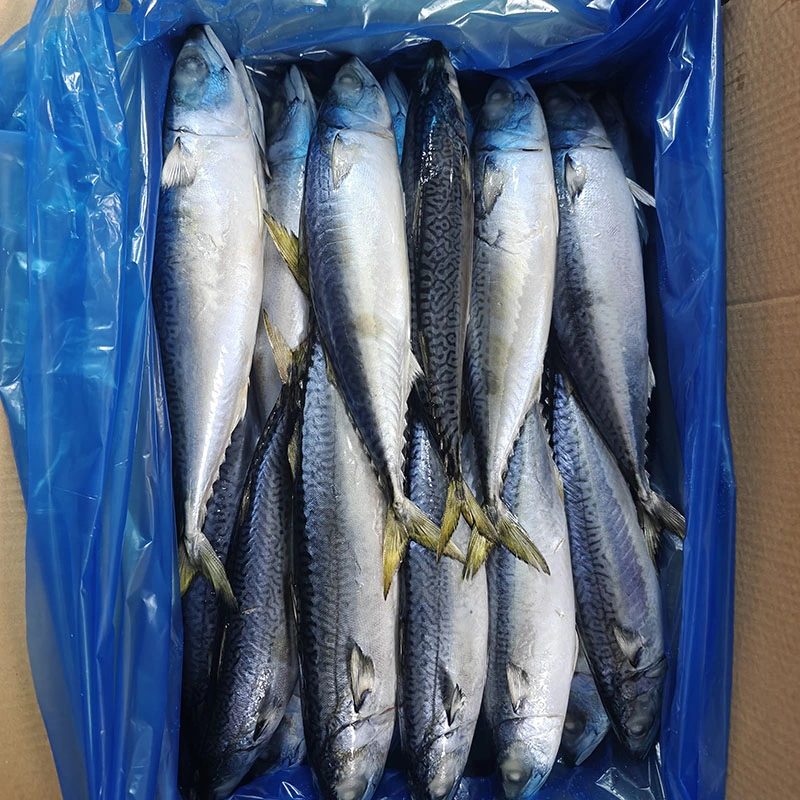
The fish has a long, narrow body, silvery appearance, and relatively high natural oil content compared with many lean white-fish species. These characteristics influence both its eating quality and the way it should be handled after harvest.
For commercial buyers, Pacific Saury is more than a single seafood item. It can represent several different purchasing specifications depending on the target market. Whole frozen fish may be suitable for restaurants and traditional retail, while cleaned, portioned, filleted, or otherwise processed products can reduce preparation work for downstream customers.
Key Characteristics and Nutritional Profile
One reason Pacific Saury remains attractive to seafood businesses is its combination of flavor and nutritional characteristics. Published FAO data report Pacific Saury flesh as containing substantial protein and variable levels of fat depending on factors such as season, size, and fishing ground. The same source reports an edible flesh yield of approximately 64% in a selected value. :contentReference[oaicite:1]{index=1}
More recent scientific research has also examined its lipid composition. A 2024 study reported that Pacific Saury contains considerable polyunsaturated fatty acids, including omega-3 fatty acids, although the exact composition varies between anatomical parts. :contentReference[oaicite:2]{index=2}
| Characteristic | Commercial Relevance |
|---|---|
| Species | Cololabis saira |
| Body Type | Long, slender, streamlined marine fish |
| Protein | Provides a substantial protein component in the edible portion |
| Natural Fat | Contributes to flavor, texture, and cooking characteristics |
| Omega-3 Fatty Acids | Pacific Saury has been studied for its polyunsaturated fatty acid profile |
| Processing Potential | Suitable for whole-fish, cleaned, fillet, portioned, canned, and other formats |
Nutritional values should not be treated as a fixed specification for every shipment. Fish composition naturally changes according to size, season, biological condition, and harvesting area. Commercial buyers should therefore request product-specific specifications when nutritional information is required for labeling or formulation.
Where Pacific Saury Comes From
Pacific Saury is associated with the North Pacific and undergoes seasonal movements between different marine environments. Its distribution is influenced by oceanographic conditions, including sea temperature and other environmental variables.
Research summarized through the FAO AGRIS database found that suitable habitat areas can differ between size classes and can vary substantially from year to year. The study examined factors including sea-surface temperature, salinity, sea-surface height, and primary productivity. :contentReference[oaicite:3]{index=3}
This variability is important for commercial seafood buyers. Availability, size composition, fishing conditions, and market pricing may change between seasons and fishing years. Therefore, buyers planning regular procurement should avoid treating one season's specifications or price as a permanent market standard.
Why origin matters to commercial buyers
- Fishing conditions can affect supply availability.
- Seasonal variation can influence fish size and composition.
- Different markets may require specific origin or traceability information.
- Transportation distance influences cold-chain planning and landed cost.
- Import regulations may differ between destination countries.
Common Processing and Product Forms
Pacific Saury can enter the commercial market in several forms. The appropriate format depends on the buyer's sales channel, processing capacity, target consumers, and local preparation habits.
Useful for traditional seafood retailers, restaurants, foodservice operators, and buyers with their own preparation facilities.
Reduces preparation work and can be convenient for foodservice customers and secondary processors.
Designed for buyers seeking convenient preparation and more standardized serving formats.
Pacific Saury may also be used in canned or preserved seafood products. Commercial documentation from international seafood trade and food-classification sources recognizes Pacific Saury in multiple processed categories. :contentReference[oaicite:4]{index=4}
| Product Form | Potential Buyer | Main Advantage |
|---|---|---|
| Whole Frozen | Wholesalers, restaurants, retailers | Flexible preparation and broad usage |
| Gutted/Cleaned | Foodservice, processors | Less preparation labor |
| Fillet | Retailers, food manufacturers | Convenient portioning and cooking |
| Portioned | Restaurants, meal producers | More standardized serving sizes |
| Canned/Processed | Food brands, distributors | Longer shelf-life format and convenience |
What Determines Pacific Saury Quality?
Quality is not determined by appearance alone. For commercial seafood procurement, several factors should be reviewed together before confirming an order.
1. Freshness Before Freezing
The condition of the fish before freezing has an important influence on the final product. Buyers should ask about handling practices between landing and freezing, particularly when purchasing products intended for retail or premium foodservice applications.
2. Size Consistency
Consistent sizing makes inventory planning, portion control, cooking, packaging, and retail presentation easier. Buyers should specify acceptable size ranges rather than relying only on a general product name.
3. Freezing Condition
Freezing should protect product quality while minimizing unnecessary dehydration and physical damage. Buyers should clarify the freezing method, product temperature requirements, packaging format, and expected storage conditions.
4. Appearance and Physical Condition
Commercial inspection may include body integrity, skin appearance, discoloration, bruising, excessive ice, dehydration, and other visible defects.
5. Packaging
Packaging should match the distribution channel. Bulk cartons may be appropriate for wholesalers, while smaller retail-ready packs may be more suitable for consumer-facing channels.
Frozen Storage and Cold-Chain Considerations
Frozen seafood depends on an uninterrupted cold chain. The objective is not simply to freeze the product once, but to maintain appropriate conditions throughout storage, transportation, distribution, and final handling.
For Pacific Saury buyers, cold-chain planning should begin before the purchase order is issued. Storage capacity, transportation arrangements, port handling, customs clearance, and destination warehouse conditions can all influence product quality.
- Confirm the supplier's recommended storage temperature.
- Check that the transportation provider can maintain the required frozen conditions.
- Verify carton strength and packaging suitability for long-distance transportation.
- Confirm net weight and glazing requirements where applicable.
- Plan receiving procedures before the shipment arrives.
- Keep appropriate records for lot identification and traceability.
Buyers should also distinguish between the product's stated shelf life and the actual remaining shelf life at the time of arrival. This is particularly important when purchasing through multiple distribution stages.
Major Foodservice and Commercial Applications
Pacific Saury is versatile enough to serve different seafood business models. Its natural flavor and oil content make it suitable for cooking methods that emphasize grilled, roasted, pan-cooked, or otherwise simply prepared fish.
Whole or prepared Pacific Saury can be incorporated into grilled and traditional seafood menus.
Frozen products can provide consumers with a convenient seafood option outside the immediate fishing season.
Processed formats can be used as ingredients for packaged, prepared, preserved, or ready-to-cook seafood products.
The choice of product form should be based on the customer's operational needs. A wholesaler supplying restaurants may prioritize bulk whole fish, while a supermarket-focused distributor may need smaller, consistently packed portions.
What Seafood Buyers Should Check Before Ordering
One of the most common procurement challenges is receiving a product that technically matches the name of the order but does not match the buyer's commercial expectations. A detailed purchasing checklist can reduce this risk.
| Purchasing Item | Questions to Confirm |
|---|---|
| Species | Is the product confirmed as Cololabis saira? |
| Size | What is the agreed size or weight range? |
| Processing | Whole, gutted, cleaned, fillet, portioned, or another specification? |
| Glazing | What glazing specification and net weight basis apply? |
| Packaging | What carton, bag, inner pack, and labeling format will be used? |
| Freezing | What freezing and storage conditions are specified? |
| Traceability | Can the supplier provide appropriate batch and origin information? |
| Documentation | Which export, health, inspection, and destination-market documents are required? |
| Shipment | What is the minimum order quantity, loading method, and delivery schedule? |
Why Product Specifications Matter
A seafood order can involve multiple variables that are not visible from a product name alone. For example, two frozen Pacific Saury shipments can have different size distributions, packaging configurations, glazing levels, and processing conditions.
Written specifications make the purchasing process more predictable. They also provide a useful reference when discussing samples, production, inspection, shipment, and repeat orders.
Working with a Reliable Pacific Saury Supplier
A suitable supplier should be able to communicate clearly about product specifications rather than simply offering a price. For international buyers, communication and documentation can be just as important as the seafood itself.
Look for Clear Product Information
A professional supplier should be able to explain the product's species, size range, processing format, packaging, storage requirements, and available documentation.
Discuss the Target Market Early
Requirements can vary according to the destination market and sales channel. Telling the supplier whether the product is intended for retail, foodservice, wholesale distribution, or further processing helps create a more appropriate specification.
Request Samples When Appropriate
For new supplier relationships, a sample or trial shipment can help buyers evaluate physical condition, packaging, sizing, cooking characteristics, and overall suitability before committing to larger volumes.
Evaluate Long-Term Supply Capability
Buyers with recurring demand should discuss seasonal availability, production capacity, lead time, minimum order quantities, and potential supply fluctuations. This is particularly relevant for wild-caught seafood because environmental conditions can affect fishing grounds and availability.
Why experienced communication matters
For international Pacific Saury procurement, the strongest supplier relationship is built around accurate specifications, transparent communication, consistent product handling, and dependable logistics. Price is only one part of the total purchasing decision.
Taizhou HongXiang Import and Export Co.,Ltd. can provide seafood buyers with a professional point of contact for discussing Pacific Saury sourcing requirements, product specifications, packaging expectations, and international order arrangements.
Frequently Asked Questions About Pacific Saury
What is Pacific Saury?
Pacific Saury is the common name for Cololabis saira, a marine fish found in the North Pacific. It is commercially traded as fresh, frozen, canned, and other processed seafood products.
Is Pacific Saury suitable for frozen seafood distribution?
Yes. Frozen Pacific Saury is a common commercial format and can be distributed through wholesale, foodservice, and retail channels when appropriate freezing, packaging, storage, and transportation conditions are maintained.
What does Pacific Saury taste like?
Pacific Saury is known for a rich marine flavor and a relatively oily character compared with many lean fish. Cooking methods such as grilling and roasting are commonly associated with the fish.
Does Pacific Saury contain omega-3 fatty acids?
Research has identified polyunsaturated fatty acids, including omega-3 fatty acids, in Pacific Saury. The exact lipid profile can vary by anatomical part and other biological factors. :contentReference[oaicite:5]{index=5}
What should importers specify when buying Pacific Saury?
Importers should clearly define species, size range, processing format, glazing requirements, net weight, packaging, storage conditions, labeling, documentation, minimum order quantity, and delivery requirements.
Why can Pacific Saury availability change between seasons?
Pacific Saury distribution and fishing conditions are influenced by environmental factors. Research has documented substantial year-to-year variation in suitable habitat and fishing-ground conditions. :contentReference[oaicite:6]{index=6}
Can Pacific Saury be supplied in customized packaging?
Packaging arrangements depend on the supplier, destination market, order quantity, and product specification. Buyers should discuss carton size, inner packaging, labeling, language requirements, and other packaging details before confirming the order.
Final Thoughts
Pacific Saury combines a recognizable seafood profile with flexible commercial applications. Its natural nutritional characteristics, multiple processing possibilities, and established presence in Asian seafood markets make it relevant to wholesalers, distributors, restaurants, retailers, and food manufacturers.
At the same time, successful procurement depends on more than choosing the correct fish species. Size consistency, product condition, processing method, freezing, packaging, documentation, traceability, and cold-chain management all contribute to the final purchasing outcome.
For businesses sourcing Pacific Saury internationally, establishing clear specifications before production and maintaining direct communication with an experienced supplier can help reduce misunderstandings and support more stable long-term purchasing.
Looking for Pacific Saury for Your Seafood Business?
Whether you are a seafood importer, wholesaler, distributor, restaurant supplier, retailer, or food manufacturer, Taizhou HongXiang Import and Export Co.,Ltd. can discuss your Pacific Saury requirements, including product form, size specifications, packaging, order quantities, and international shipping arrangements.
Share your target market and purchasing requirements with our team to discuss a suitable product specification. If you are planning your next seafood sourcing project, contact us to learn more about available Pacific Saury supply solutions.