Stay updated on our latest exhibitions, certifications, and market developments as we actively participate in major global seafood events like GASF, CFSE, Thaifex, Seafood Expo Global, and Gulfood.
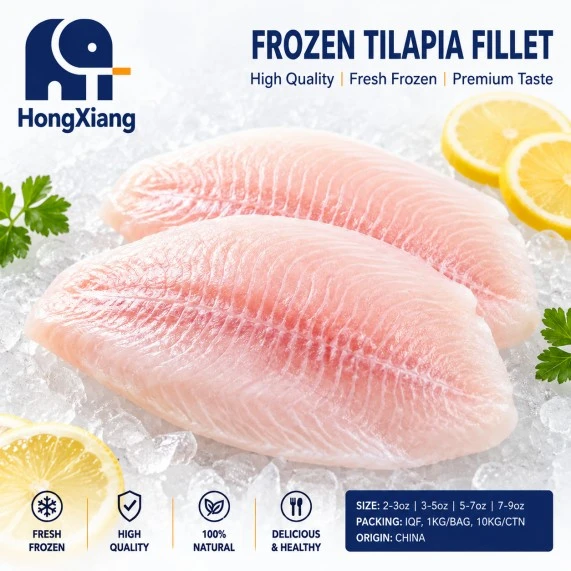
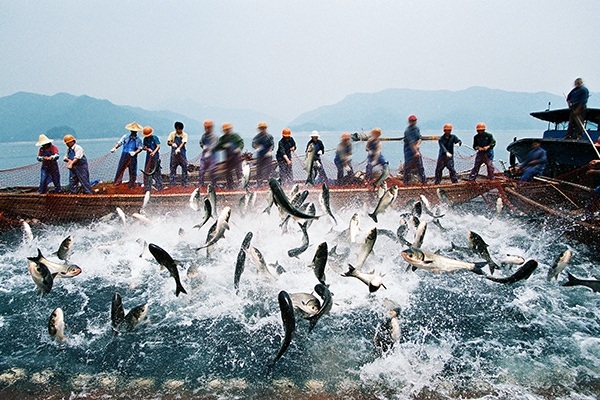
Aquaculture now accounts for over half of global fish consumption and is seen as a solution to relieve pressure on wild resources. Modern farming techniques include pond, cage, and recirculating aquaculture systems (RAS), with the latter gaining attention for its environmental controllability. However, the industry also faces challenges such as antibiotic use, reliance on wild fishmeal in feed, and water pollution. In recent years, alternative protein feeds and smart monitoring systems are reshaping the sector. When choosing farmed fish, look for ASC (Aquaculture Stewardship Council) certification, which signifies commitments to environmental and social responsibility. Farmed fish offer stable prices, reliable supply, and strong traceability. However, taste and nutritional profiles differ between farmed and wild varieties. Consumers should avoid sources with high stocking density and prefer species with low feed conversion ratios, such as catfish and tilapia, which have relatively smaller environmental footprints and make good additions to daily diets.
We use cookies to offer you a better browsing experience, analyze site traffic and personalize content. By using this site, you agree to our use of cookies. Privacy Policy