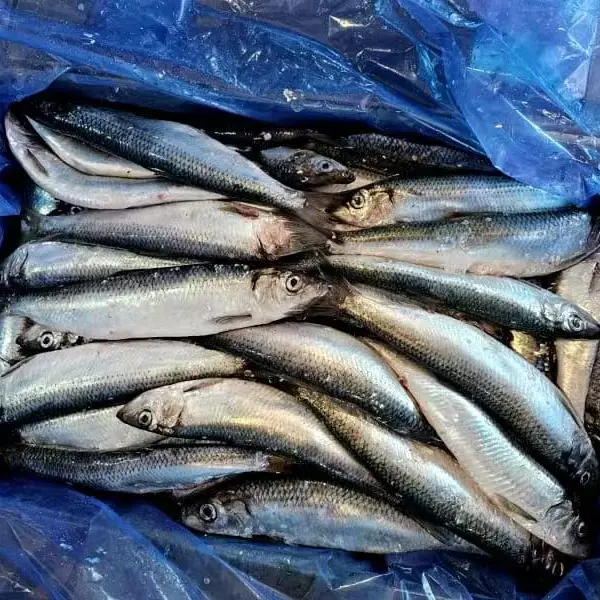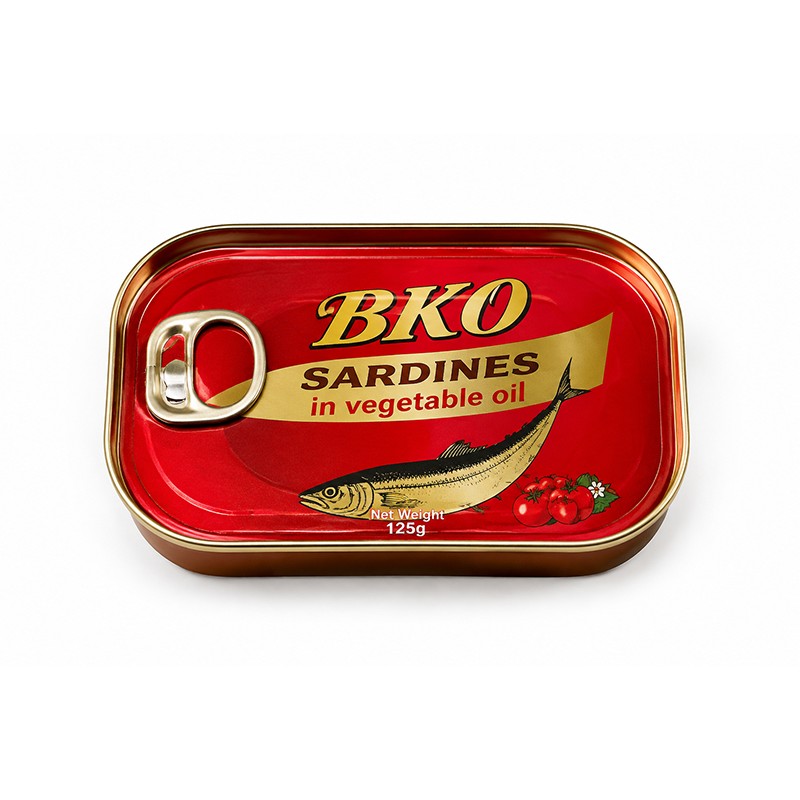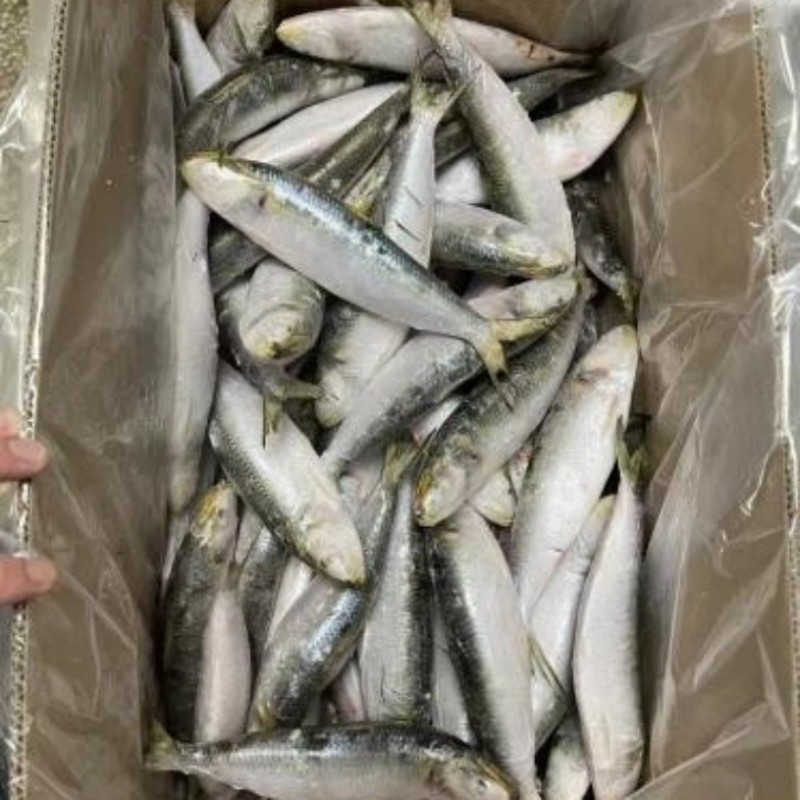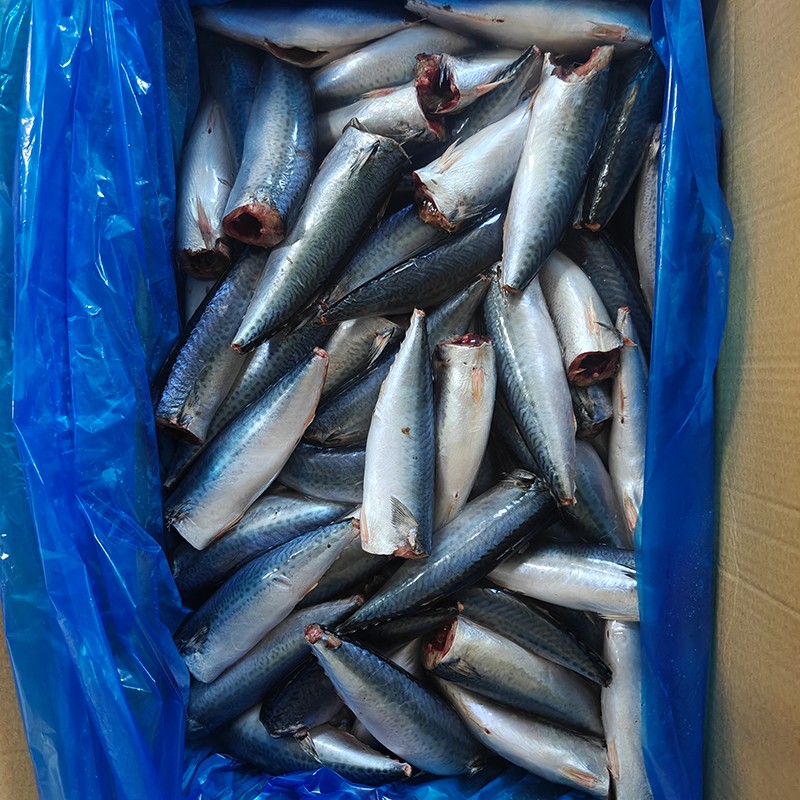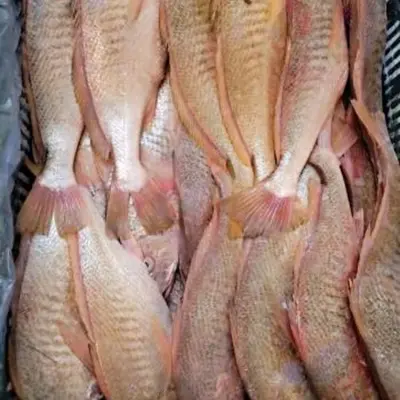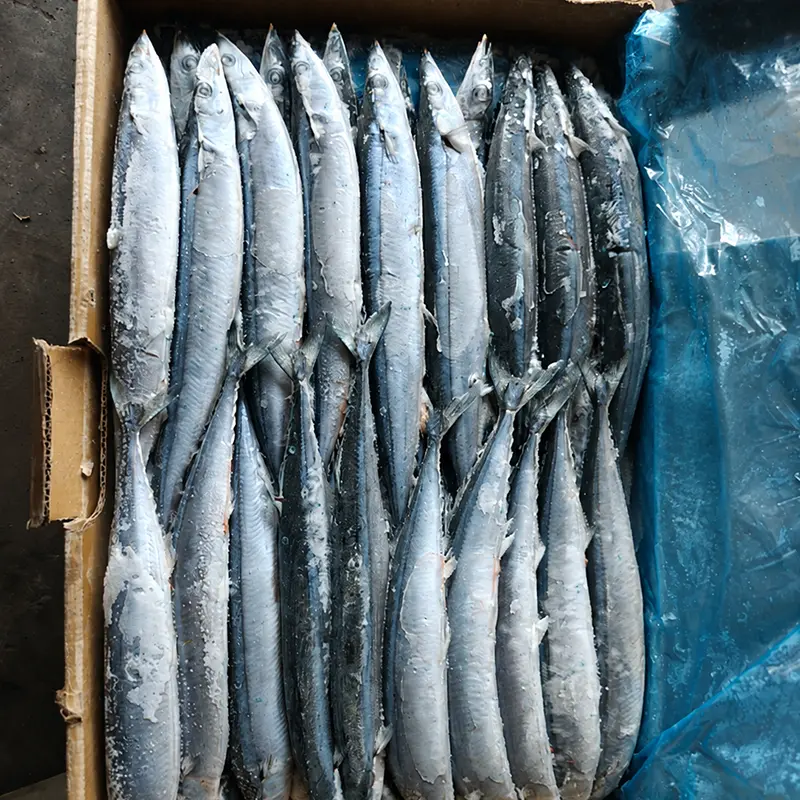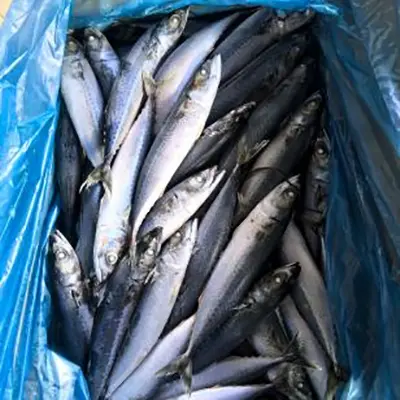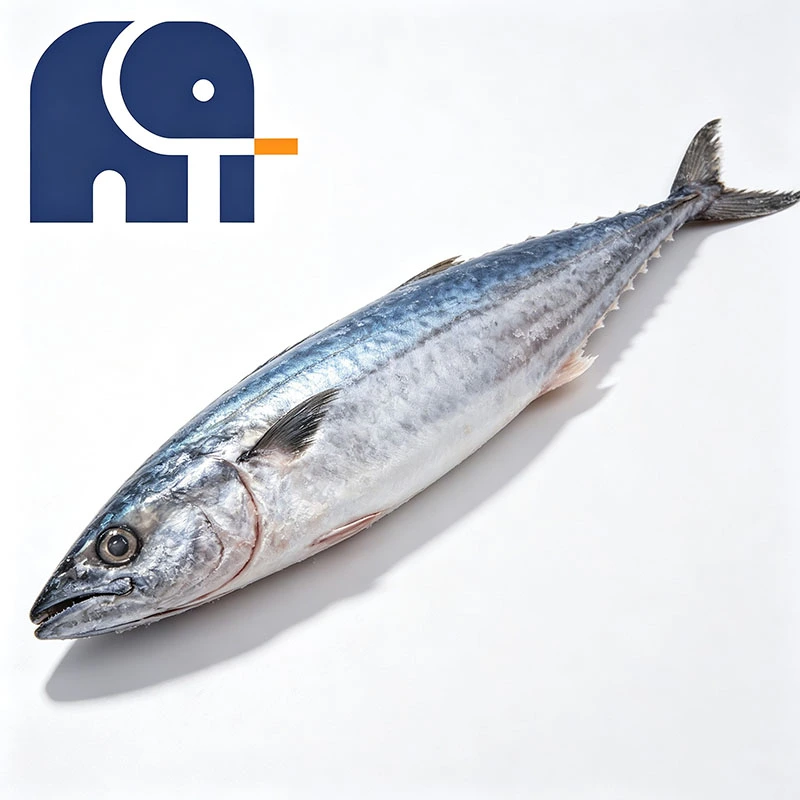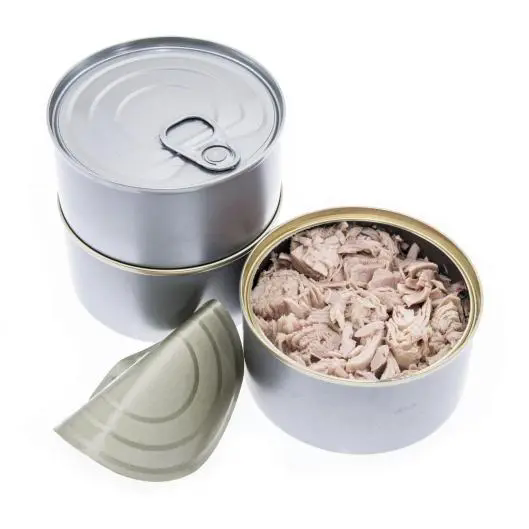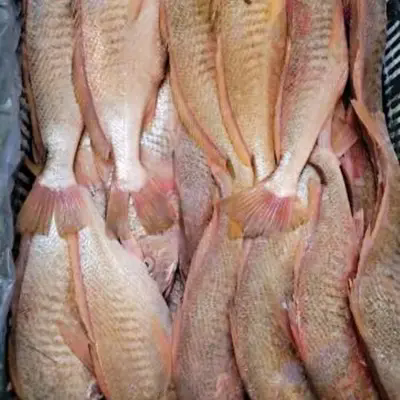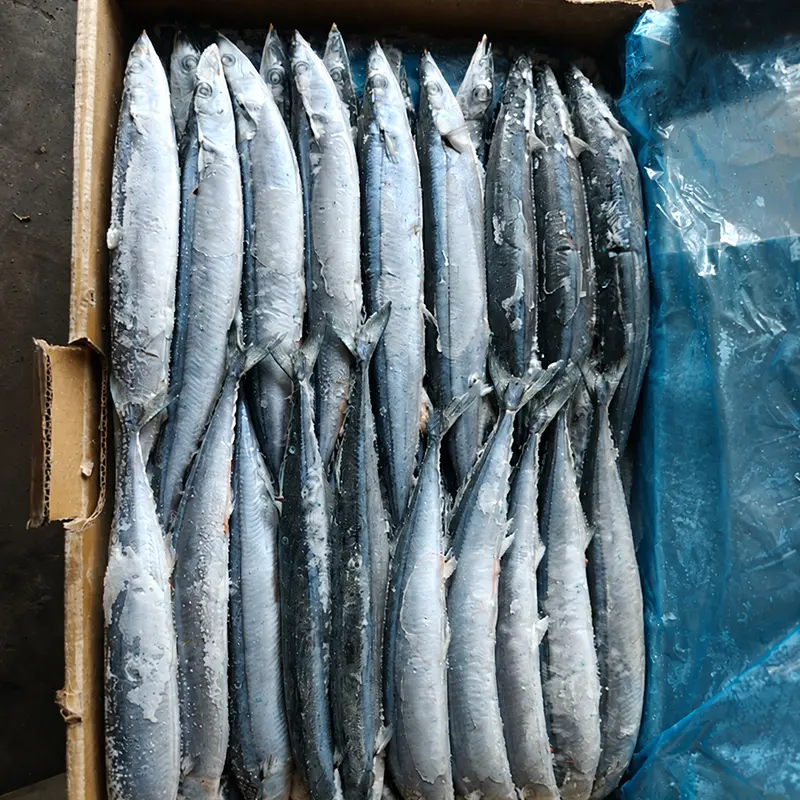
We specialize in a wide range of frozen seafood—including Pacific Mackerel, Horse Mackerel, White Pomfret, Spanish Mackerel, Tilapia, Pacific Saury, Squid, Grey Mullet, and Sardine—with customizable sizes and packaging to meet diverse market needs.
Herring is one of the most commercially significant pelagic fish species in the global seafood trade. It serves as a staple raw material for direct consumption, smoking, marinating, canning, fishmeal production, and bait supply. HongXiang has developed a specialized frozen herring export program that combines strict quality control, accurate size grading, and dependable cold chain management to serve buyers in retail, food processing, and industrial channels. Understanding the detailed product parameters behind HongXiang product helps importers, distributors, and processors make informed purchasing decisions and avoid costly inconsistencies in weight, size, or packing.
This page covers the species origins, processing methods, size grades, packaging formats, nutritional information, certifications, and export terms associated with HongXiang products. The information is structured to give procurement managers and seafood buyers a clear technical overview while also answering common product questions. This series includes products such as Frozen Herring Whole Round, etc.
HongXiang supplies two main commercial herring species depending on the fishing season and destination market requirements. The Atlantic herring, Clupea harengus, is primarily sourced from FAO 27 in the Northeast Atlantic, with active fishing grounds near Norway, Iceland, Denmark, and the Faroe Islands. The Pacific herring, Clupea pallasii, is sourced from FAO 61 in the Northwest Pacific and FAO 67 in the Northeast Pacific, including waters managed by Russia, Japan, the United States, and Canada. Both species share similar physical characteristics: a streamlined body, silver coloration, high oil content, and firm muscle texture suitable for a wide range of processing applications.
Harvest timing is a critical factor in product performance. HongXiang prioritizes catches made during pre-spawning and early spawning periods when the fish have the highest fat content and the best roe yield. This seasonal targeting improves both the nutritional profile and the visual quality of the final frozen product. After harvesting, the fish are rapidly chilled on board and either frozen at sea or delivered to land-based processing facilities within hours, depending on the production protocol chosen by the client.
HongXiang frozen fish is available in multiple processing forms to match different downstream applications. Whole round cuts are the most common format for smoking, salting, and bait use. Headed, gutted, and tail-removed cuts (HGT) serve as a practical semi-processed solution for canneries and industrial kitchens. Butterfly fillets and single fillets are tailored for high-value retail and catering scenarios. Fish roe and milt are sorted, graded and frozen through dedicated production lines as independent high-grade by-products.
Available processing techniques cover land freezing, sea freezing, individual quick freezing (IQF) and block quick freezing. Sea freezing instantly locks in original freshness for offshore catches harvested far from shore. Land freezing supports precise grading and standardized glazing before freezing, perfectly fitting size-customized orders. IQF technology delivers individually separated products, enabling flexible small-batch usage without full thawing. Block freezing remains the mainstream choice for bulk industrial purchases, optimizing container loading efficiency and ensuring intact product quality during long-distance shipping.