Stay updated on our latest exhibitions, certifications, and market developments as we actively participate in major global seafood events like GASF, CFSE, Thaifex, Seafood Expo Global, and Gulfood.
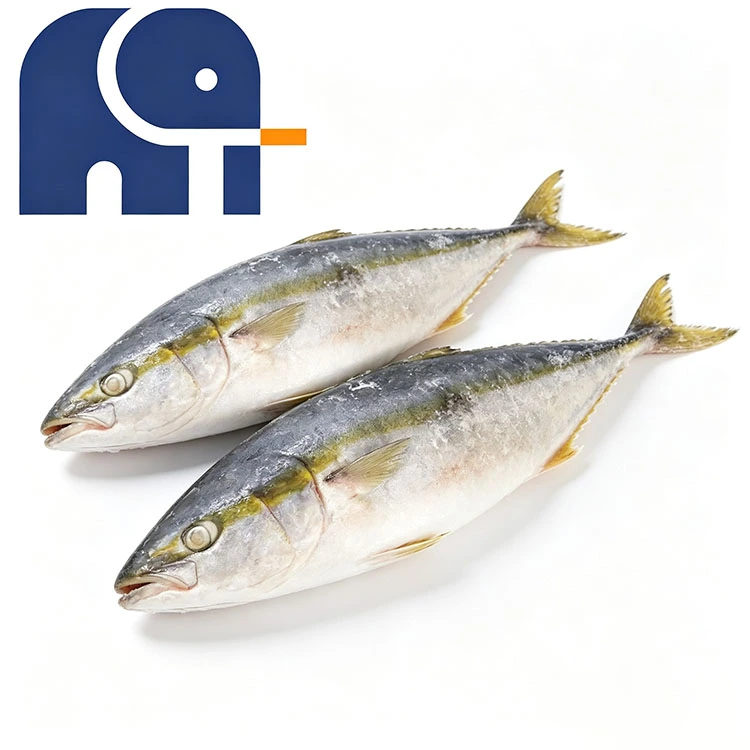
Seafood importers and frozen‑fish distributors frequently evaluate frozen yellow croaker relying on photos and lab‑thawed sample batches. Sample assessment delivers appealing golden skin, firm meat and acceptable aroma. But multiple supply‑chain variables only manifest after full container arrival at destination ports, reshaping actual landed commercial value and generating unexpected commercial disputes for buyers.

Four non‑obvious variables rarely covered in basic quotation sheets:
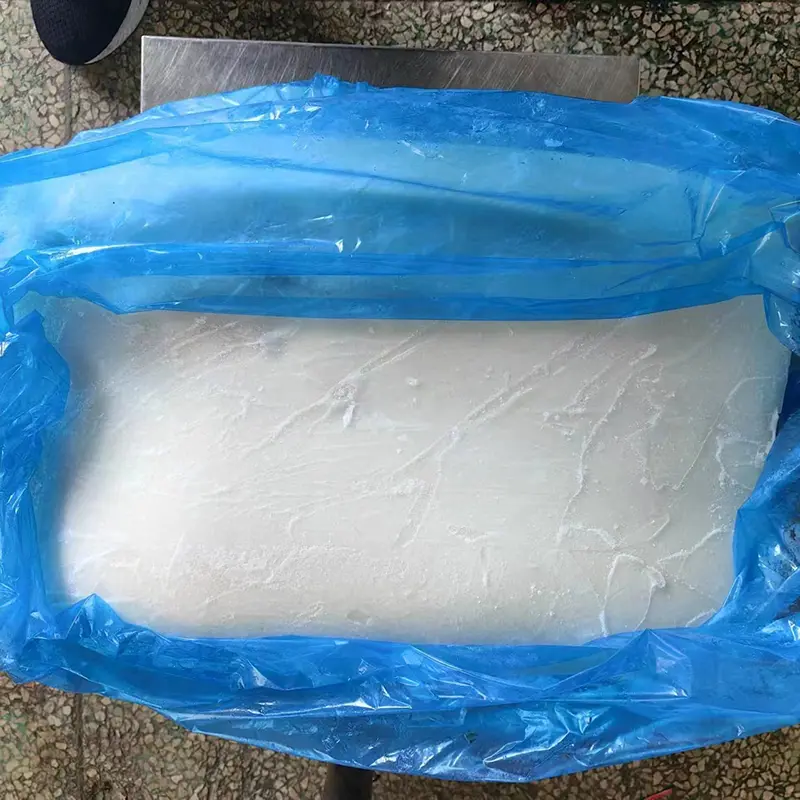
Visual sample inspection cannot separate protective ice glaze from actual fish body weight. Quotations referencing gross carton weight create commercial ambiguity if glaze proportion is not firmly bounded in purchasing terms.
HongXiang Seafood carries out glaze‑content spot sampling for each finished production run. Measured glaze ratios get recorded against lot numbers for importer review before container loading.
Pre‑shipment samples are manually hand‑picked to strictly match target size brackets. Continuous factory sorting for large‑volume production brings risk of cross‑size mixing within individual export cartons.
Mixed‑size cartons break retail and foodservice sales planning. Buyers receive uneven fish dimensions even though individual random‑pull samples satisfy specification limits.
Lab samples maintain stable‑18°C storage throughout handling. Real‑world ocean reefer transit and port dwell periods introduce unavoidable temperature‑swing hazards.
Short‑term warming and re‑freezing will not produce obvious visual damage on frozen fish surface. After customer‑side thawing, negative changes surface: increased drip‑loss, dull skin tone, accelerated fat oxidation and shortened retail shelf‑life.
Standard health certificates alone do not satisfy modern import‑market fisheries compliance rules. Many territories demand verifiable catch‑source documentation linked precisely to each shipping batch.
De‑linked or generic catch records may trigger customs inspection, container hold‑up or even shipment rejection, independent of fish sensory quality.
| Glaze requirement | Define maximum allowed glaze percentage, specify payment basis on de‑glazed net‑fish weight |
| Size‑grading rule | Set allowed tolerance ratio for off‑size fish inside export cartons |
| Cold‑chain evidence | Request in‑carton temperature‑logger records for full container shipments |
| Fisheries compliance |