Stay updated on our latest exhibitions, certifications, and market developments as we actively participate in major global seafood events like GASF, CFSE, Thaifex, Seafood Expo Global, and Gulfood.
Spanish mackerel is a fast-swimming, oily fish valued for its firm texture, rich flavor, versatility, and commercial importance. However, the name “Spanish mackerel” can refer to different species in different markets, which makes species identification, product specifications, handling, and labeling especially important. This guide explains what Spanish mackerel is, where it lives, how it tastes, how to select and handle it, common preparation methods, nutritional considerations, and what buyers should know when sourcing it for commercial use.
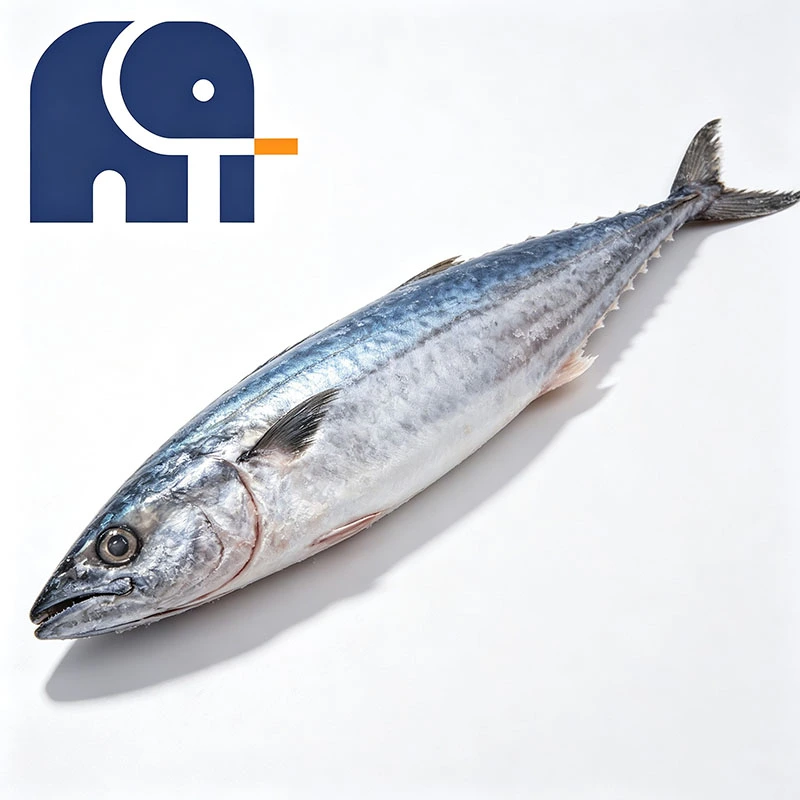
Spanish mackerel is a name used for several members of the mackerel family, and the exact species can vary according to geography and seafood market terminology. For example, the U.S. Food and Drug Administration lists Atlantic Spanish mackerel as Scomberomorus maculatus, while narrow-barred mackerel, Scomberomorus commerson, is also accepted under the market name Spanish mackerel. :contentReference[oaicite:0]{index=0}
This distinction matters when buying, selling, importing, exporting, processing, or labeling seafood. A buyer should not rely only on the common English name. The scientific name, country of origin, fishing area, product form, and applicable market requirements can provide a much clearer description of the actual product.
Spanish mackerel generally belongs to the Scombridae family, which includes mackerels, tunas, and related fast-swimming fish. It is an active predator with a streamlined body designed for efficient movement through open water.
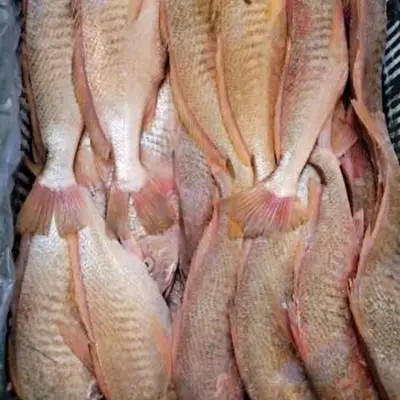
For seafood consumers, Spanish mackerel is particularly appreciated for its firm flesh and naturally rich flavor. For commercial buyers, the fish can be supplied in several formats, including whole fish, headed and gutted products, steaks, loins, and fillets, depending on the processing operation and target market.
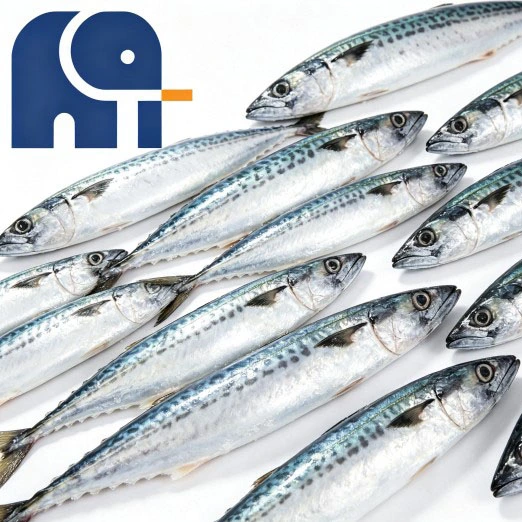
Correct identification is one of the first steps in purchasing Spanish mackerel. Appearance varies among species, but many Spanish mackerel have a streamlined, elongated body, a pointed head, a deeply forked tail, and a metallic coloration.
| Characteristic | Typical Description | Why It Matters |
|---|---|---|
| Body | Streamlined and elongated | Reflects its fast-swimming lifestyle |
| Color | Silver to bluish or greenish tones, depending on species | Useful for preliminary visual identification |
| Flesh | Firm and relatively oily | Suitable for grilling, frying, roasting, and other preparations |
| Tail | Strongly forked | Supports rapid swimming |
| Body markings | May include spots, bars, or other species-specific patterns | Can help distinguish closely related species |
Because common names can overlap between regions, commercial buyers should confirm the scientific name and product specification before placing an order. This is especially important when different species have different market values, regulatory requirements, or consumer expectations.
Spanish mackerel are generally associated with marine environments and can occur in coastal waters, open water, reefs, estuaries, and other productive areas depending on the species.
For example, NOAA Fisheries describes Spanish mackerel in the Atlantic and Gulf regions of the United States as fish that mostly inhabit open water but may also occur around deep grass beds, reefs, and shallow estuaries. These fish prefer relatively warm water temperatures. :contentReference[oaicite:1]{index=1}
Narrow-barred Spanish mackerel, Scomberomorus commerson, has a much broader Indo-Pacific distribution. Research describes its range as extending through areas including the Red Sea, South Africa, Southeast Asia, China, Japan, and Australia, with adults occurring in coastal marine habitats and juveniles sometimes using estuarine environments. :contentReference[oaicite:2]{index=2}
Its habitat helps explain its physical characteristics. Spanish mackerel are active predators, and their streamlined bodies, powerful tails, and relatively firm muscles support continuous movement and rapid bursts of speed.
Spanish mackerel has a distinctive flavor that is usually richer than that of many lean white-fleshed fish. Its flesh contains natural oils, giving it a moist texture and a savory seafood character.
When fresh and handled correctly, the flesh can be firm, clean-tasting, and pleasantly rich. Cooking methods can significantly change the final eating experience.
Because the fish has a relatively rich flavor, simple seasonings such as salt, pepper, ginger, garlic, citrus, herbs, or light marinades can complement rather than overpower it.
Like many fish, Spanish mackerel can provide high-quality protein and other nutrients. Its naturally oily flesh also contributes dietary fat, although the exact nutritional profile depends on species, size, season, location, and preparation method.
Fish can be an important part of a balanced diet, but seafood choices should also consider species-specific food-safety guidance. The FDA currently lists Spanish mackerel among its “Good Choices” for fish consumption, while separately listing king mackerel among fish to avoid because of its higher mercury levels. :contentReference[oaicite:3]{index=3}
This distinction is particularly important because common names can be confusing. King mackerel is Scomberomorus cavalla, and the FDA separately identifies it as king mackerel. :contentReference[oaicite:4]{index=4} Buyers and consumers should therefore verify the species rather than assuming that every fish called “mackerel” has the same nutritional or food-safety profile.
| Consideration | What Buyers Should Check |
|---|---|
| Species | Scientific name and accepted market name |
| Origin | Harvesting area and country of origin |
| Product form | Whole, H&G, steak, loin, or fillet |
| Handling | Cold-chain controls and storage conditions |
| Documentation | Product specifications, certificates, and required export documents |
Whether purchasing fresh fish for a restaurant or frozen products for wholesale distribution, quality assessment should begin with objective indicators rather than appearance alone.
For wholesale buyers, consistency is just as important as appearance. A supplier should be able to communicate product specifications clearly so that different shipments can be compared against an agreed purchasing standard.
Proper temperature control is essential for mackerel and other fish that can develop histamine-related hazards when handled improperly. FDA seafood guidance identifies Spanish mackerel among fish associated with scombrotoxin, or histamine, hazards. :contentReference[oaicite:5]{index=5}
This means that maintaining an appropriate cold chain is not simply a matter of preserving appearance. It is an important part of responsible seafood handling.
For fresh products, keep the fish properly refrigerated and process or cook it promptly. If the product will not be used soon, freezing may be appropriate according to the product specification.
For commercial distribution, temperature controls should be maintained throughout receiving, processing, storage, transportation, and delivery. Records and documented procedures can help identify problems when a shipment does not meet specifications.
Consumers should also avoid relying on smell alone to determine whether seafood is safe. Proper handling from the beginning of the supply chain is essential.
Spanish mackerel's firm, flavorful flesh makes it suitable for many cooking styles. The best method depends on the thickness of the portion, the desired texture, and the cuisine.
| Cooking Method | Result | Suitable Applications |
|---|---|---|
| Grilling | Smoky exterior and juicy interior | Whole fish, steaks, thick fillets |
| Pan-frying | Crisp surface with rich flavor | Fillets and smaller portions |
| Roasting | Even cooking and concentrated flavor | Whole fish and thick portions |
| Steaming | Soft, moist texture | Whole fish and fillets |
| Broiling | Quick browning and strong surface flavor | Fillets and steaks |
For food safety, fish should be cooked thoroughly. FDA guidance advises against eating raw or undercooked finfish because raw fish has a higher risk of containing parasites or bacteria than properly cooked fish. :contentReference[oaicite:6]{index=6}
Commercial purchasing involves more than simply asking for “Spanish mackerel.” A clear product specification can reduce misunderstandings between suppliers, importers, distributors, processors, restaurants, and retailers.
A professional purchasing specification may include:
These details are especially valuable for international seafood transactions because terminology that is familiar in one market may have a different meaning in another.
A reliable evaluation process should combine product inspection with supplier communication. One visual inspection cannot replace proper documentation, cold-chain management, and agreed specifications.
| Evaluation Area | Key Question |
|---|---|
| Identity | Is the scientific name clearly confirmed? |
| Appearance | Does the product meet the agreed visual specification? |
| Texture | Is the flesh firm and appropriate for the product form? |
| Odor | Is the aroma consistent with properly handled seafood? |
| Temperature | Has the cold chain been maintained? |
| Packaging | Is the packaging intact and correctly labeled? |
| Consistency | Does the shipment match the agreed size and processing specification? |
For businesses purchasing at larger volumes, requesting samples before a long-term order can be useful. A sample allows the buyer to assess appearance, portion yield, texture, cooking performance, packaging, and overall consistency before committing to a larger shipment.
For international seafood sourcing, these details can make the difference between a smooth transaction and costly misunderstandings.
No. The names can sometimes cause confusion, but king mackerel is Scomberomorus cavalla, while “Spanish mackerel” can refer to other species such as Atlantic Spanish mackerel (Scomberomorus maculatus) or narrow-barred mackerel (Scomberomorus commerson), depending on the market. :contentReference[oaicite:7]{index=7}
Spanish mackerel is a flavorful, protein-rich fish and is listed by the FDA as a “Good Choice” within its fish consumption advice. However, species identification matters because different mackerel species can have different mercury considerations. :contentReference[oaicite:8]{index=8}
It generally has a rich, savory flavor and firm, moist flesh. Its natural oils make it particularly suitable for grilling, frying, roasting, and broiling.
Yes. Frozen Spanish mackerel is widely used in seafood distribution. The quality of frozen product depends heavily on appropriate processing, packaging, freezing, storage, and temperature control.
Fresh product should be kept properly chilled, while frozen product should remain within the temperature conditions specified for the product. Commercial operators should maintain cold-chain controls throughout storage and transportation.
Spanish mackerel belongs to a group of fish associated with scombrotoxin, or histamine, hazards. FDA seafood guidance therefore emphasizes appropriate time and temperature controls for these species. :contentReference[oaicite:9]{index=9}
Yes. Its firm flesh and natural oils make it well suited to grilling. Thick fillets, steaks, and whole fish can all work well when handled and cooked properly.
Wholesalers should verify species, origin, product form, size, processing specifications, packaging, temperature requirements, documentation, and destination-market requirements. A pre-shipment sample can also help confirm that the product meets expectations.
Spanish mackerel is a versatile seafood product with strong culinary and commercial appeal. Its firm texture, rich natural flavor, and suitability for multiple cooking methods make it useful for households, restaurants, food processors, wholesalers, and seafood distributors.
At the same time, successful Spanish mackerel sourcing requires attention to details that go beyond the fish itself. Because the common name can cover different species, buyers should verify the scientific name, origin, product form, specifications, handling procedures, and applicable market requirements.
For businesses seeking dependable seafood sourcing, Taizhou HongXiang Import and Export Co.,Ltd. can provide professional assistance in discussing Spanish mackerel product specifications, packaging requirements, and international purchasing needs. Clear communication at the beginning of the transaction helps buyers obtain products that better match their market and application.
Looking for Spanish mackerel for wholesale, foodservice, processing, or international distribution? Contact us to discuss your product requirements, specifications, packaging needs, and sourcing plans.