Stay updated on our latest exhibitions, certifications, and market developments as we actively participate in major global seafood events like GASF, CFSE, Thaifex, Seafood Expo Global, and Gulfood.
Four under‑discussed constraints seldom listed on standard quotation sheets:
Single‑can sample opening gives limited insight into batch‑wide drained‑weight performance. Even if individual sample hits contract figures, natural raw‑material variation can create statistical drift across thousands of production units.
HongXiang Seafood implements multi‑can random sampling for each production lot. Drained‑weight datasets get documented against lot identifiers before container loading, supporting buyers’ incoming QA verification.
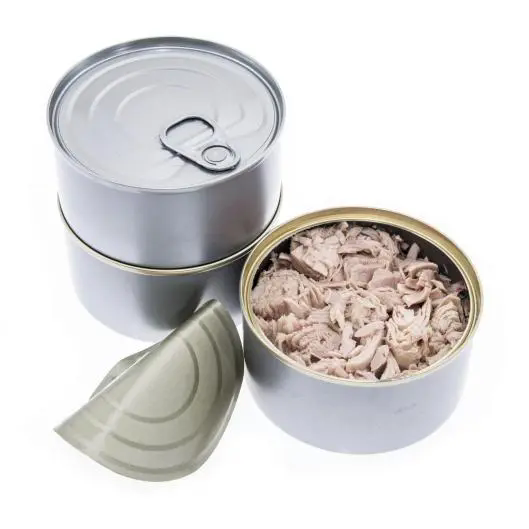
Hand‑picked qualification samples use carefully selected tuna loins. Continuous mass‑production accepts variable incoming raw material catches. Changes in loin texture, fat content or pre‑cook yield shift the ratio of solid, chunk and flake meat within finished cans.
Buyers ordering “chunk‑style” product may receive elevated flake proportion in some cartons, creating retail‑packaging and foodservice‑formulation headaches, even though each can still passes broad sensory inspection.
Most procurement teams review general BPA‑free declarations on product datasheets. Modern import markets add new restrictions covering food‑contact substances such as PFAS inside metal‑can linings.
Prototype samples may satisfy old‑generation requirements, while mass‑production can‑component stock‑turnover introduces untested lining batches. Inadequate double‑seam formation from machine wear creates micro‑leak hazards invisible from external can appearance.
Suppliers frequently share general‑scope HACCP, BRC or ISO certificates. Generic factory certificates do not automatically mean every individual production lot falls under that audited scope.
Import authorities check whether test‑reports and harvest documentation directly correspond to the exact shipped lot. Re‑using prototype‑sample reports for serial‑production consignments leads to customs delays or container detention.
| Yield specification | Define statistical sampling rules and acceptable drained‑weight tolerance for full batches, not just single‑can samples |
| Presentation clause | Add permitted percentage deviation for chunk‑flake ratio inside purchase‑order terms |
| Packaging compliance | Request lot‑tied lining‑material data plus seam‑inspection records for metal‑can productions |
| Import documentation | Require lot‑linked compliance files; reject standalone prototype‑qualification paperwork for shipment clearance |