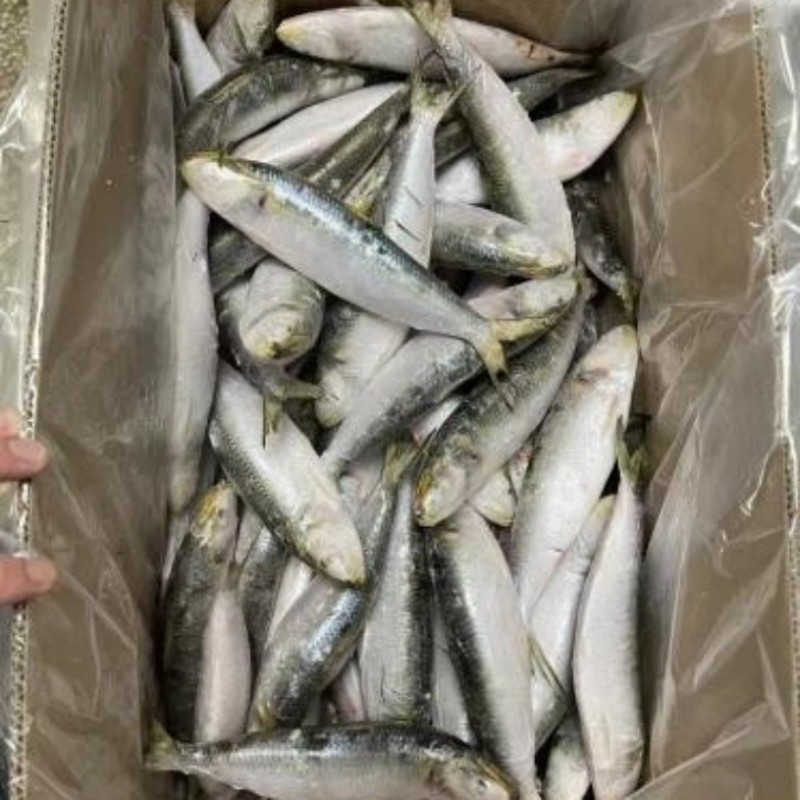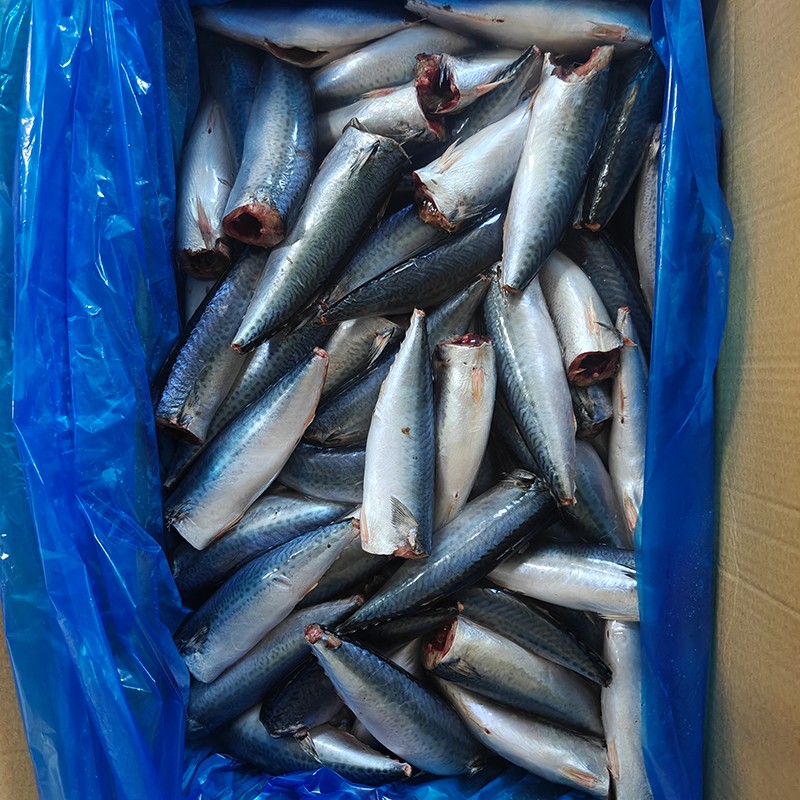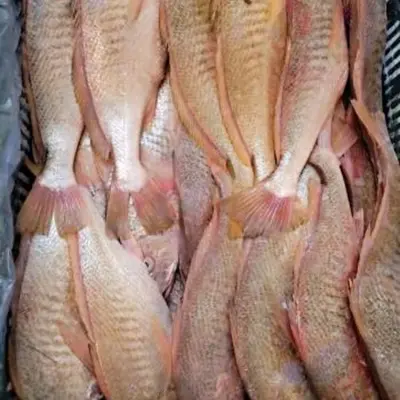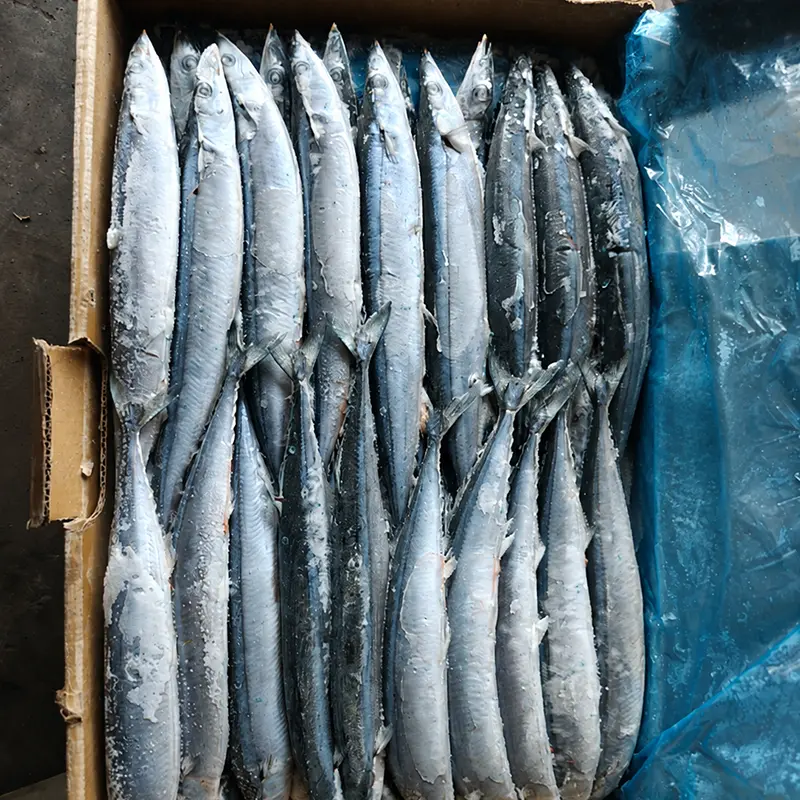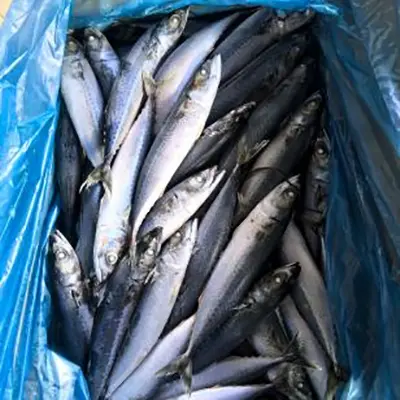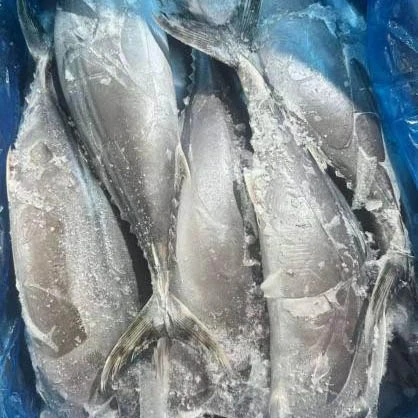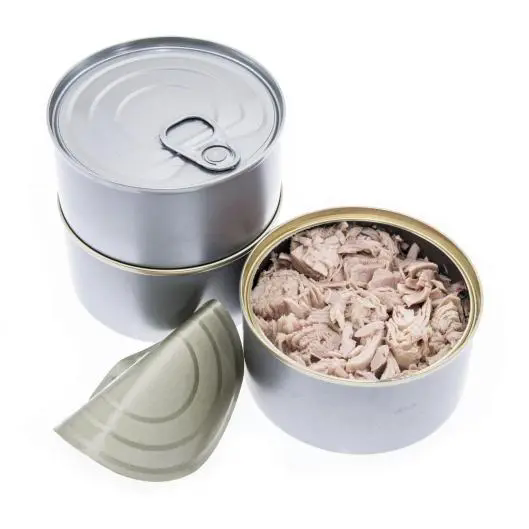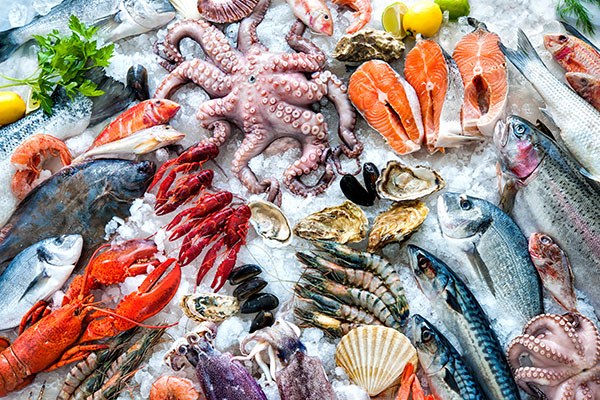
We specialize in a wide range of frozen seafood—including Pacific Mackerel, Horse Mackerel, White Pomfret, Spanish Mackerel, Tilapia, Pacific Saury, Squid, Grey Mullet, and Sardine—with customizable sizes and packaging to meet diverse market needs.
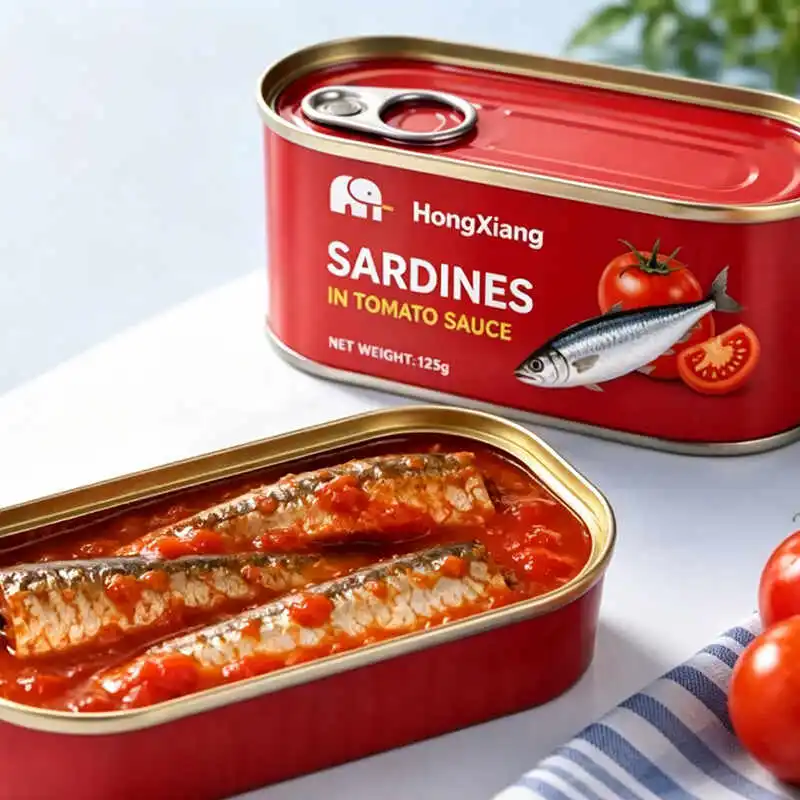
If you are looking for a convenient, protein-packed seafood option that fits into a busy lifestyle, Canned Sardine from HongXiang deserves your attention. HongXiang has built a reputation as a reliable supplier of premium canned seafood, with a focus on traceable sourcing, modern processing, and strict quality control. This guide provides an in-depth look at the product parameters, nutritional benefits, packaging details, and common questions about HongXiang sardines, so you can make an informed purchasing decision.
HongXiang operates its own processing facilities that comply with international food safety standards including HACCP, ISO 22000, and BRC. The sardines used in every can are harvested from sustainably managed fisheries, then processed within hours of landing to preserve freshness, texture, and natural oils. Unlike many commodity canned fish products, HongXiang sardines are packed in high-quality olive oil, sunflower oil, tomato sauce, or spring water, giving you multiple options for different culinary applications and dietary preferences.
The following sections break down every important aspect of the HongXiang sardine product line, including exact specifications, ingredient transparency, nutritional data, storage guidance, and answers to real-world questions from buyers and home cooks.
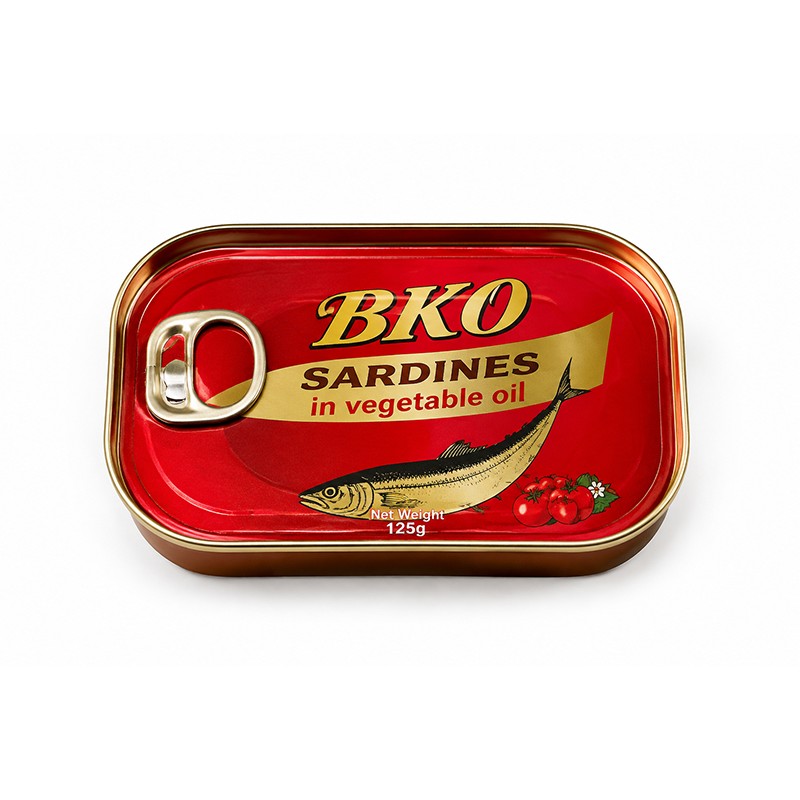
This series includes products such as Canned Sardine in Vegetable Oil, etc.
When shoppers compare canned sardines to tuna, mackerel, or salmon, several differences stand out. Sardines are smaller and lower on the food chain than tuna, which means they accumulate fewer heavy metals such as mercury. HongXiang sardines typically contain less than 0.05 ppm mercury, while some canned tuna products can approach 0.3–0.5 ppm. Sardines also provide more calcium per serving because the bones are eaten, whereas tuna and salmon fillets usually have no edible bones.
In terms of omega-3 content, sardines are comparable to salmon and mackerel, with about 1,500–2,000 mg of EPA and DHA per 100 g, depending on the season and fill medium. The flavor of sardines is stronger than tuna but milder than mackerel, and the texture is more delicate than both. For people who want a sustainable seafood choice, sardines have a lower environmental impact than larger predatory fish because they are fast-growing and abundant.