
Stay updated on our latest exhibitions, certifications, and market developments as we actively participate in major global seafood events like GASF, CFSE, Thaifex, Seafood Expo Global, and Gulfood.
Pacific Mackerel is a widely traded pelagic fish valued for its distinctive flavor, nutritional profile, versatility, and relatively efficient harvesting. However, seafood buyers, importers, wholesalers, processors, and foodservice businesses often face practical challenges when sourcing it, including freshness, size consistency, freezing quality, packaging, supply stability, and regulatory compliance. This guide explains the characteristics of Pacific Mackerel, its nutritional and commercial value, common product forms, quality factors, storage requirements, and key considerations for professional sourcing.
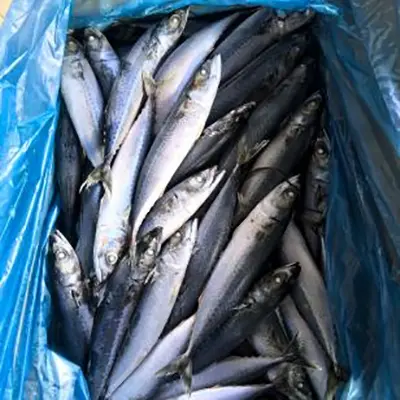
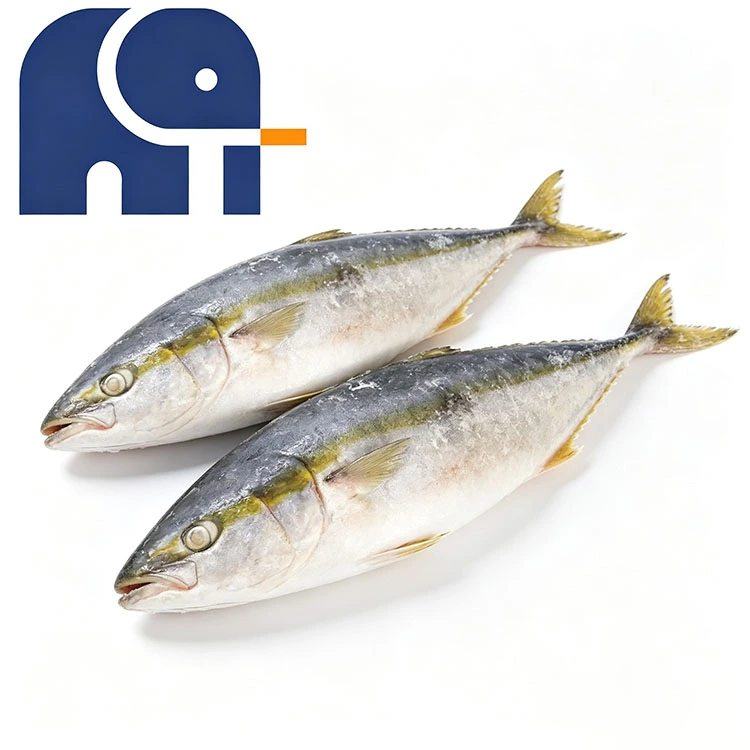
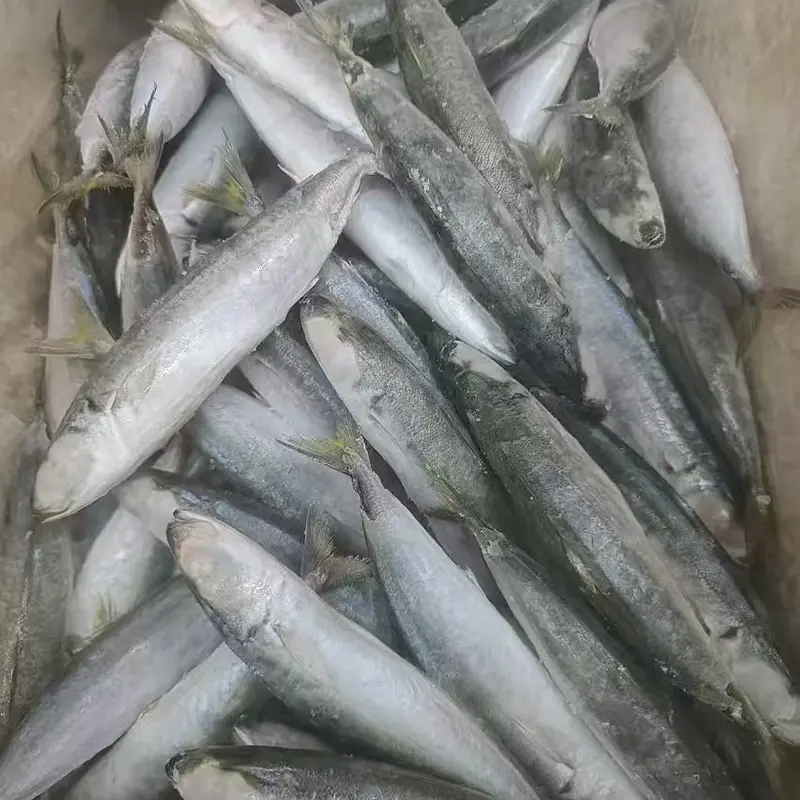
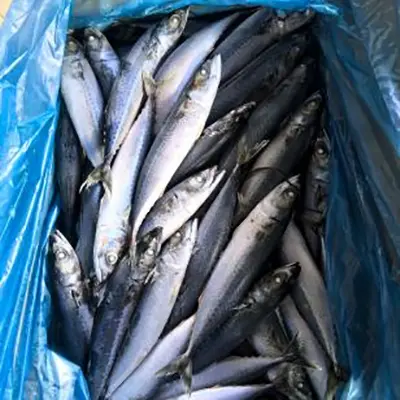
Pacific Mackerel refers primarily to Scomber japonicus, a pelagic fish found across temperate and subtropical waters of the Pacific Ocean and other regions. It belongs to the mackerel family and is recognized by its streamlined body, dark blue-green upper surface, distinctive markings, and silvery sides.
For seafood buyers, Pacific Mackerel is more than an everyday fish. It is a commercially important product that can be sold fresh, chilled, frozen, whole, gutted, filleted, or processed into other seafood products. Its relatively strong flavor and oily flesh make it suitable for grilling, smoking, marinating, canning, frying, and numerous Asian and international recipes.
One of the main reasons buyers consider Pacific Mackerel is its combination of culinary versatility, nutritional value, and commercial accessibility. Nevertheless, these advantages only translate into business value when product quality and supply requirements are carefully controlled.
Understanding the physical characteristics of Pacific Mackerel helps buyers communicate precise requirements to suppliers and processors.
| Characteristic | Typical Description |
|---|---|
| Body | Streamlined and torpedo-shaped, designed for active swimming |
| Color | Blue-green or dark upper body with silvery sides |
| Flesh | Oily, flavorful, relatively firm, and rich in natural fats |
| Flavor | Distinctive, savory, moderately strong seafood flavor |
| Typical Uses | Grilling, frying, smoking, marinating, steaming, canning, and processing |
Because mackerel is an oily fish, it can deteriorate more quickly than some lean fish when handled improperly. This makes rapid chilling, appropriate freezing, hygienic processing, and a dependable cold chain particularly important.
Pacific Mackerel is naturally nutrient-dense. Like many oily fish, it can provide high-quality protein as well as important micronutrients and marine-derived fats.
Actual nutritional values can vary according to fish size, season, harvest location, processing method, and preparation. For commercial packaging, buyers should rely on product-specific laboratory or specification data rather than assuming that every Pacific Mackerel product has identical nutritional characteristics.
Seafood businesses often need products that balance consumer appeal with manageable purchasing costs. Pacific Mackerel can meet this requirement in several market segments.
For wholesalers, multiple product formats make it easier to serve different customer groups. Whole frozen fish may suit traditional markets, while fillets can reduce preparation work for restaurants and food manufacturers.
For processors, mackerel's oily flesh and strong flavor provide opportunities for smoking, marinating, canning, seasoning, and other value-added applications.
For restaurants, the fish can be incorporated into grilled dishes, rice bowls, salads, sandwiches, seafood platters, and regional recipes.
For retailers, attractive appearance, appropriate packaging, clear labeling, and consistent sizing can influence customer confidence and purchasing decisions.
However, buyers should not evaluate a seafood supplier solely on price. A low purchase price can become expensive if inconsistent sizing, excessive glazing, poor freezing, damaged packaging, or unreliable delivery results in product loss.
Pacific Mackerel can be supplied in different forms depending on the intended market and processing requirements.
| Product Form | Typical Advantages | Potential Buyers |
|---|---|---|
| Whole Frozen | Flexible for further processing and traditional preparation | Wholesalers, processors, restaurants |
| Gutted | Reduced preparation work | Foodservice and distributors |
| Fillets | Convenient and ready for cooking | Restaurants, retailers, food manufacturers |
| Processed | Longer product development possibilities and added convenience | Food brands and processors |
The ideal format depends on the buyer's processing equipment, labor costs, target market, packaging requirements, and final application.
Quality begins well before the product reaches the buyer. A professional procurement process should examine the entire supply chain rather than relying on appearance alone.
1. Freshness and handling
Freshness has a major influence on texture, odor, color, and consumer acceptance. Rapid temperature control after harvest is essential for preserving quality.
2. Size consistency
Commercial buyers often need specific size ranges because consistent fish size simplifies portion control, processing, cooking time, packaging, and inventory planning.
3. Freezing quality
For frozen Pacific Mackerel, freezing and storage conditions can affect texture and overall eating quality. Temperature fluctuations should be minimized throughout transportation and storage.
4. Physical condition
Broken bodies, damaged skin, excessive bruising, dehydration, or freezer burn can reduce the commercial value of a shipment.
5. Packaging integrity
Packaging should protect the fish from contamination, moisture loss, physical damage, and unnecessary exposure during transportation.
6. Documentation and traceability
Professional buyers should request appropriate product specifications, origin information, processing details, batch information, and other documentation relevant to their market and regulatory requirements.
Because Pacific Mackerel is an oily fish, temperature management is especially important. Businesses handling frozen products should maintain a consistent frozen cold chain from processing through transportation and final storage.
Buyers should also establish clear receiving procedures. A shipment should be checked against the agreed specifications, including product form, size range, quantity, packaging condition, labeling, and temperature requirements.
One of the biggest challenges in seafood procurement is finding the right balance between price, quality, reliability, and specification compliance.
Before placing a larger order, buyers should consider the following checklist:
These steps help prevent one of the most common seafood purchasing problems: receiving a product that technically matches the product name but does not match the buyer's actual commercial requirements.
| Buyer Concern | What to Check | Why It Matters |
|---|---|---|
| Quality | Appearance, texture, odor, handling | Influences consumer acceptance |
| Size | Specified size range and tolerance | Supports consistent portions and processing |
| Frozen Condition | Cold-chain stability and signs of dehydration | Protects product quality and reduces waste |
| Packaging | Carton strength, labeling, net weight | Improves transportation and inventory management |
| Supply | Production and sourcing capacity | Reduces supply interruptions |
Pacific Mackerel is particularly useful when a business needs a flavorful fish that can withstand different cooking and processing methods.
For manufacturers, the important consideration is not simply whether Pacific Mackerel can be used in a particular recipe. The product should also meet the required specifications for yield, portion size, texture, processing compatibility, and cost control.
A dependable supplier should do more than quote a competitive price. Seafood procurement is a specification-driven business, and communication plays a central role in preventing misunderstandings.
Taizhou HongXiang Import and Export Co.,Ltd. can be considered by international seafood buyers looking for professional communication and export-oriented sourcing support. When evaluating a potential supplier, buyers should clearly communicate their target product form, size, packaging, destination market, estimated volume, and delivery requirements.
A strong supplier relationship should ideally provide:
For buyers importing seafood over the long term, consistency can be more valuable than simply obtaining the lowest quotation for a single shipment. A reliable supply relationship can make purchasing forecasts, inventory planning, customer fulfillment, and quality control significantly easier.
Yes. Pacific Mackerel is a nutritious oily fish that provides protein and marine-derived omega-3 fatty acids, along with various vitamins and minerals. As with other seafood, appropriate sourcing, handling, cooking, and consumption according to applicable food-safety guidance are important.
Pacific Mackerel generally has a rich, savory, distinctive seafood flavor. Its oily flesh can provide a more pronounced taste than many lean white-fleshed fish, making it particularly suitable for grilling, smoking, frying, and strongly seasoned recipes.
Yes. Frozen Pacific Mackerel is widely used in commercial seafood markets. However, freezing quality depends on proper processing, packaging, temperature control, and storage. Buyers should confirm freezing and storage specifications with their supplier.
Wholesalers should evaluate product form, size range, freshness or frozen condition, packaging, net weight, glazing where applicable, documentation, shipment conditions, supplier capacity, and consistency between samples and commercial orders.
Yes. It is suitable for many restaurant applications, including grilled fish, fried fillets, smoked preparations, rice dishes, salads, sandwiches, and regional seafood recipes. The preferred product form depends on the restaurant's kitchen workflow and menu requirements.
Mackerel is an oily fish and can be sensitive to improper temperature management. Maintaining appropriate temperatures during handling, transportation, and storage helps preserve quality and reduce unnecessary product deterioration.
A useful inquiry should include the desired product form, approximate size range, quantity, packaging requirements, destination port or market, preferred delivery schedule, and any specific documentation or quality requirements. More detailed specifications generally lead to more accurate quotations.
Pacific Mackerel combines strong culinary versatility, nutritional value, and commercial potential, making it an important product for seafood wholesalers, importers, processors, restaurants, and retailers. Yet successful purchasing depends on much more than selecting the fish species itself.
The most reliable approach is to evaluate the complete product specification: quality, size, processing, freezing, packaging, documentation, cold-chain management, and supply consistency. Buyers who establish these requirements before ordering can reduce misunderstandings, improve inventory planning, and build stronger long-term supplier relationships.
If you are sourcing Pacific Mackerel for wholesale, foodservice, processing, or international distribution, Taizhou HongXiang Import and Export Co.,Ltd. can provide sourcing communication and product information based on your specific requirements. Contact us to discuss your Pacific Mackerel specifications, expected order volume, packaging needs, and target market, and find a practical seafood sourcing solution for your business.
-